Showing 145–153 de 185 rezultate
-

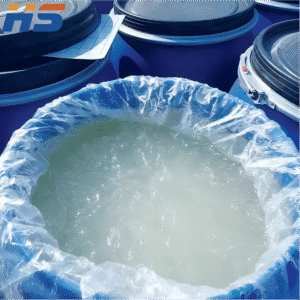
Sodium Lauryl Ether Sulfate 70% (SLES 70%) is a kind of anionic surfactant with excellent performance. Chemical raw materials, commonly used in the industrial detergent and textile industry. Good foaming properties, cleaning profiles, biodegradable surfactants. And effective resistance to hard water, does not hurt the skin. Sodium dodecyl ether sulfate is commonly used in the…
-
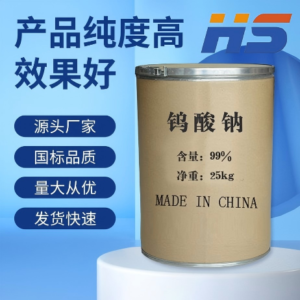
Product Description Item Specifications English Name Sodium tungstate dihydrate CAS Number 10213‑10‑2 Molecular Formula H₂Na₂O₅W Molecular Weight 288.84 EINECS Number 600‑275‑2 Melting Point 698 °C (literature value) Bulk Density 1600 kg/m³ Density 4.18 g/cm³ Specific Gravity 3.25 Storage Condition Store at +15 °C to +25 °C Solubility in Water 1 M at 20 °C, clear…
-
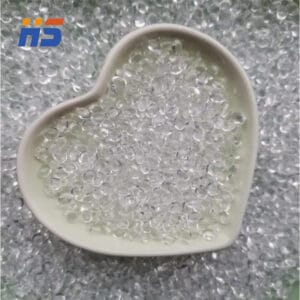
Elastomer POE derivat din elastomer poliolefin, sunt granule de plastic versatile utilizate în diverse industrii datorită flexibilității lor, rezistenta la intemperii, si rezistenta la impact. Ele sunt utilizate în principal pentru întărirea PP, PE, și PA în industria auto, pentru izolare și înveliș în sârmă și cablu, și, de asemenea, pentru produse industriale, cum ar fi furtunuri și benzi transportoare. În plus, își găsesc aplicații în dispozitivele medicale, aparate electrocasnice, articole sportive, și folii de ambalare.
-
LDPE Granules
Pelete de polietilenă de joasă densitate
Aplicație: Film suflat
Indicele fluxului de topire: 1-2
Origine: Material post-industrial,
Ambalaj: saci mari.
LDPE reciclat (rLDPE) Pelete sunt fabricate din deșeuri de polietilenă de joasă densitate post-consum, precum pungi de plastic, împachetări, și ambalaj. Acești peleți ecologici oferă o alternativă durabilă la LDPE virgin, oferind o flexibilitate excelentă, rezistenţă, și performanță pentru o varietate de aplicații.
Ideal pentru utilizare în ambalaje, producție de film, și bunuri de larg consum, Peleții noștri rLDPE ajută companiile să își reducă impactul asupra mediului, menținând în același timp calitatea produsului. Alegând LDPE reciclat, contribuiți la o economie circulară și promovați practicile de producție responsabile.
Caracteristici cheie:
- Fabricat din 100% LDPE reciclat
- Flexibil, durabil, și versatil pentru diverse aplicații
- Alternativă ecologică și rentabilă la LDPE virgin
- Sprijină reducerea deșeurilor și producția durabilă
Alege-ne Pelete LDPE reciclate pentru un mai verde, viitor mai durabil, menținând în același timp calitatea și performanța produselor dvs.
-
TPR Pellets or Thermoplastic Rubber, is a material that combines the properties of both rubber and plastic. It is a versatile material that can be easily processed using techniques like turnare prin injecție. TPR is known for its flexibility, durabilitate, and resistance to chemicals and weathering
Flexibility and Elasticity:
TPR exhibits rubber-like flexibility and elasticity, making it suitable for applications requiring a material that can bend and deform without breaking.
Durability and Strength:
It offers good tensile strength, tear resistance, and resistance to fatigue, allowing it to withstand mechanical stress and long-term use.
Chemical and Weather Resistance:
TPR is resistant to many chemicals and weathering, making it suitable for outdoor and industrial applications.
Processability:
Being a thermoplastic, TPR can be melted and reshaped multiple times, allowing for efficient manufacturing processes like injection molding and extrusion.
Recyclability:
TPR can be recycled, making it a more environmentally friendly option compared to some other materials.
-
Chemical Properties Colorless liquid. Melting point 18.17℃, boiling point 287℃, 149℃ (1.33kPa); relative density 0.77331 (20/4℃), refractive index 1.4335. Flash point 135℃. Miscible with diethyl ether and petroleum ether, slightly soluble in hot ethanol, insoluble in water. Product Name Tetradecane CAS Number 629-59-4 Molecular Formula C14H30 Molecular weight 198.39 Purity 99% Appearance liquid Melting Point…
-
Thermoplastic Rubber, is a material that combines the properties of both rubber and plastic. It is a versatile material that can be easily processed using techniques like turnare prin injecție. TPR is known for its flexibility, durabilitate, and resistance to chemicals and weathering
Flexibility and Elasticity:
TPR exhibits rubber-like flexibility and elasticity, making it suitable for applications requiring a material that can bend and deform without breaking.
Durability and Strength:
It offers good tensile strength, tear resistance, and resistance to fatigue, allowing it to withstand mechanical stress and long-term use.
Chemical and Weather Resistance:
TPR is resistant to many chemicals and weathering, making it suitable for outdoor and industrial applications.
Processability:
Being a thermoplastic, TPR can be melted and reshaped multiple times, allowing for efficient manufacturing processes like injection molding and extrusion.
Recyclability:
TPR can be recycled, making it a more environmentally friendly option compared to some other materials.
-
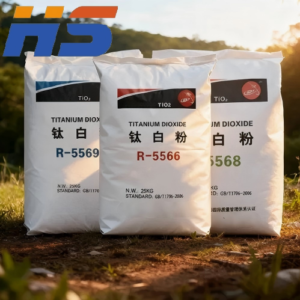
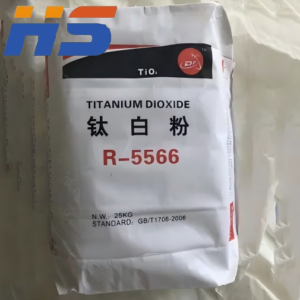
China Tio2 Powder Industrial Rutile Grade Titanium Dioxide
Titanium dioxide is an important inorganic chemical pigment, the main component of titanium dioxide. The production process of titanium dioxide has two kinds of process routes: sulfuric acid method and chlorination method. Among the commonly used white pigments, the relative density of titanium dioxide is the smallest, and among the white pigments of the same quality, titanium dioxide has the largest surface area and the highest pigment volume.
-
Granule de elastomer TPEE :Thermoplastic polyester elastomer (TPE-E or TPEE), also known as thermoplastic Copolyester, are a class of multiblock copolymers or a physical mix of polymers (usually a plastic and a rubber) which consist of materials with both thermoplastic and elastomeric properties.
Thermoplastic elastomers show both advantages typical of rubbery and plastic materials. The principal difference between thermoset elastomers and thermoplastic elastomers is the type of crosslinking bond in their structures. De fapt, crosslinking is a critical structural factor which contributes to impart high elastic properties. The crosslink in thermoset polymers is a covalent bond created during the vulcanization process.
On the other hand the crosslink in thermoplastic elastomer polymers is a weaker dipole or hydrogen bond or takes place in one of the phases of the material.