Showing 136–144 de 174 rezultate
-

-
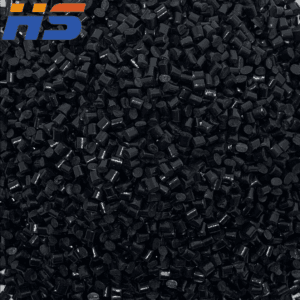
PVC Granule este un material format din rășină PVC, plastifiant, minerale și aditivi necesari care sunt produse în timpul procesului de amestecare prin mașini de amestecare. Granulele din PVC au o gamă largă de proprietăți și sunt produse sub formă de granule moi și dure.
Granule din plastic PVC moale:
Gama de duritate a granulelor moi este de obicei între 40 şi 100 (Shore A). Pentru a reduce duritatea, o anumită cantitate din unele tipuri de plastifianți sunt utilizate în producția de granule moi din PVC.
O ramură a granulelor moi din PVC sunt granule TPE, care sunt combinate cu o substanta numita NBR pentru a creste elasticitatea granulelor. Granulele moi din PVC sunt utilizate pe scară largă în industria sârmei și cablurilor, automobile, injectare, pantofi, uși și ferestre, etc.
Granule din plastic PVC dur (UPVC):
Datorită utilizării nesemnificative a plastifianților în acest tip de granule, se numesc granule PVC dure sau UPVC. Gama de duritate a granulelor UPVC este între 40 şi 90 (malul D). Aceste granule sunt de obicei folosite pentru a produce fitinguri pentru țevi, profile uși și ferestre, conducte, obloane, etc.
Compania PlasticKar, folosind utilaje echipate si la zi, produce și oferă o varietate de compuși PVC moi și duri pentru diverse aplicații într-o gamă largă de industrii, după cum urmează:
- Sârmă, cablu si electric industrii
- Bindustria constructiilor
- Industria încălțămintei
- Industria furtunurilor
- Alte granule
-
Proprietățile peletelor S-198AL (Poliuretan termoplastic) S-198AL :
- Rezistența sa excelentă la abraziune, flexibilitate, și durabilitatea îl fac potrivit pentru tălpile pantofilor
- Capacitatea sa de a oferi rezistență la impact și flexibilitate, menținând în același timp o senzație moale și cauciucoasă, face din aceasta o alegere populară pentru bunurile de larg consum
- Rezistența sa la substanțe chimice, uleiuri, iar abraziunea îl face ideal pentru crearea de componente industriale durabile și fiabile.
- Flexibilitatea și rezistența la factorii de mediu îl fac potrivit pentru componente electronice
| Proprietăți fizice | Standard de testare | Unitate | Valoare tipică* |
| Densitate | ASTM D792 | g/cm3 | 1.23±0,02 |
| Duritate Shore | ASTM D2240 | Shore A malul D | 98±2 A |
| Rezistență la tracțiune | ASTM D412 | Kgf/cm2 | 350 |
| Alungirea la Rupere | ASTM D412 | % | 400 |
| 100% Rezistență la tracțiune | ASTM D412 | Kgf/cm2 | 120 |
| 300% Rezistență la tracțiune | ASTM D412 | Kgf/cm2 | 150 |
| Rezistența la lacrimă | ASTM D624 | Kgf/cm | 130 |
| Condiții de turnare |
| Uscare | Temperatura de uscare | 100°C |
| Timp de uscare | 2-4ore |
| Prelucrare | Temperatura de procesare | 190-215°C |
| Prelucrare matriță | Turnare prin injecție |
-
Elastomer POE derivat din elastomer poliolefin, sunt granule de plastic versatile utilizate în diverse industrii datorită flexibilității lor, rezistenta la intemperii, si rezistenta la impact. Ele sunt utilizate în principal pentru întărirea PP, PE, și PA în industria auto, pentru izolare și înveliș în sârmă și cablu, și, de asemenea, pentru produse industriale, cum ar fi furtunuri și benzi transportoare. În plus, își găsesc aplicații în dispozitivele medicale, aparate electrocasnice, articole sportive, și folii de ambalare.
-
LDPE Granules
Pelete de polietilenă de joasă densitate
Aplicație: Film suflat
Indicele fluxului de topire: 1-2
Origine: Material post-industrial,
Ambalaj: saci mari.
LDPE reciclat (rLDPE) Pelete sunt fabricate din deșeuri de polietilenă de joasă densitate post-consum, precum pungi de plastic, împachetări, și ambalaj. Acești peleți ecologici oferă o alternativă durabilă la LDPE virgin, oferind o flexibilitate excelentă, rezistenţă, și performanță pentru o varietate de aplicații.
Ideal pentru utilizare în ambalaje, producție de film, și bunuri de larg consum, Peleții noștri rLDPE ajută companiile să își reducă impactul asupra mediului, menținând în același timp calitatea produsului. Alegând LDPE reciclat, contribuiți la o economie circulară și promovați practicile de producție responsabile.
Caracteristici cheie:
- Fabricat din 100% LDPE reciclat
- Flexibil, durabil, și versatil pentru diverse aplicații
- Alternativă ecologică și rentabilă la LDPE virgin
- Sprijină reducerea deșeurilor și producția durabilă
Alege-ne Pelete LDPE reciclate pentru un mai verde, viitor mai durabil, menținând în același timp calitatea și performanța produselor dvs.
-
TPR Pellets or Thermoplastic Rubber, is a material that combines the properties of both rubber and plastic. It is a versatile material that can be easily processed using techniques like turnare prin injecție. TPR is known for its flexibility, durabilitate, and resistance to chemicals and weathering
Flexibility and Elasticity:
TPR exhibits rubber-like flexibility and elasticity, making it suitable for applications requiring a material that can bend and deform without breaking.
Durability and Strength:
It offers good tensile strength, tear resistance, and resistance to fatigue, allowing it to withstand mechanical stress and long-term use.
Chemical and Weather Resistance:
TPR is resistant to many chemicals and weathering, making it suitable for outdoor and industrial applications.
Processability:
Being a thermoplastic, TPR can be melted and reshaped multiple times, allowing for efficient manufacturing processes like injection molding and extrusion.
Recyclability:
TPR can be recycled, making it a more environmentally friendly option compared to some other materials.
-
Thermoplastic Rubber, is a material that combines the properties of both rubber and plastic. It is a versatile material that can be easily processed using techniques like turnare prin injecție. TPR is known for its flexibility, durabilitate, and resistance to chemicals and weathering
Flexibility and Elasticity:
TPR exhibits rubber-like flexibility and elasticity, making it suitable for applications requiring a material that can bend and deform without breaking.
Durability and Strength:
It offers good tensile strength, tear resistance, and resistance to fatigue, allowing it to withstand mechanical stress and long-term use.
Chemical and Weather Resistance:
TPR is resistant to many chemicals and weathering, making it suitable for outdoor and industrial applications.
Processability:
Being a thermoplastic, TPR can be melted and reshaped multiple times, allowing for efficient manufacturing processes like injection molding and extrusion.
Recyclability:
TPR can be recycled, making it a more environmentally friendly option compared to some other materials.
-
Granule de elastomer TPEE :Thermoplastic polyester elastomer (TPE-E or TPEE), also known as thermoplastic Copolyester, are a class of multiblock copolymers or a physical mix of polymers (usually a plastic and a rubber) which consist of materials with both thermoplastic and elastomeric properties.
Thermoplastic elastomers show both advantages typical of rubbery and plastic materials. The principal difference between thermoset elastomers and thermoplastic elastomers is the type of crosslinking bond in their structures. De fapt, crosslinking is a critical structural factor which contributes to impart high elastic properties. The crosslink in thermoset polymers is a covalent bond created during the vulcanization process.
On the other hand the crosslink in thermoplastic elastomer polymers is a weaker dipole or hydrogen bond or takes place in one of the phases of the material.
-
TPEE Material :Thermoplastic polyester elastomer (TPE-E or TPEE), also known as thermoplastic Copolyester, are a class of multiblock copolymers or a physical mix of polymers (usually a plastic and a rubber) which consist of materials with both thermoplastic and elastomeric properties.
Thermoplastic elastomers show both advantages typical of rubbery and plastic materials. The principal difference between thermoset elastomers and thermoplastic elastomers is the type of crosslinking bond in their structures. De fapt, crosslinking is a critical structural factor which contributes to impart high elastic properties. The crosslink in thermoset polymers is a covalent bond created during the vulcanization process.
On the other hand the crosslink in thermoplastic elastomer polymers is a weaker dipole or hydrogen bond or takes place in one of the phases of the material.