Mostrando 145–153 de 185 resultados
-

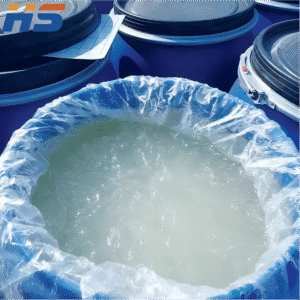
Lauril Éter Sulfato de Sódio 70% (SLES 70%) é um tipo de surfactante aniônico com excelente desempenho. Matérias-primas químicas, comumente usado na indústria de detergentes industriais e na indústria têxtil. Boas propriedades de formação de espuma, limpeza de perfis, surfactantes biodegradáveis. E resistência eficaz à água dura, não machuca a pele. Dodecil éter sulfato de sódio é comumente usado no…
-
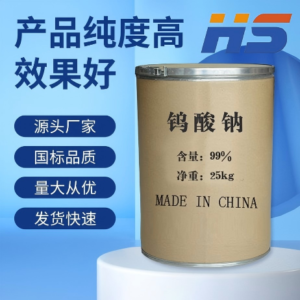
Descrição do produto Especificações do item Nome em inglês Tungstato de sódio di-hidratado Número CAS 10213‑10‑2 Fórmula molecular H₂Na₂O₅W Peso molecular 288.84 Número EINECS 600‑275‑2 Ponto de fusão 698 °C (valor da literatura) Densidade aparente 1600 Densidade em kg/m³ 4.18 g/cm³ Gravidade Específica 3.25 Condição de armazenamento Armazenar em +15 °C a +25 °C Solubilidade em Água 1 M em 20 °C, claro…
-
Elastômero POE derivado de elastômero de poliolefina, são grânulos plásticos versáteis utilizados em diversas indústrias devido à sua flexibilidade, resistência às intempéries, e resistência ao impacto. Eles são usados principalmente para endurecimento PP, Educação Física, e PA na indústria automotiva, para isolamento e revestimento em fios e cabos, e também para produtos industriais como mangueiras e correias transportadoras. Além disso, eles encontram aplicações em dispositivos médicos, eletrodomésticos, artigos esportivos, e filmes para embalagens.
-
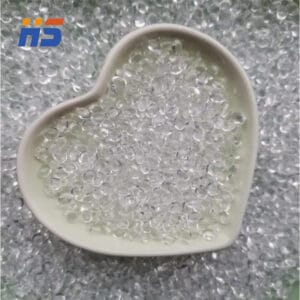
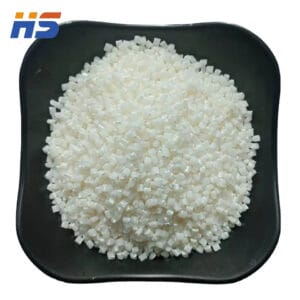
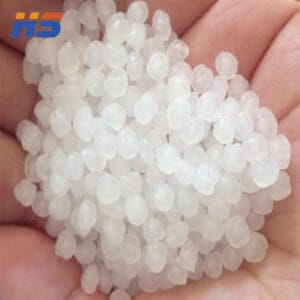
Grânulos de PEBD
Pelotas de polietileno de baixa densidade
Aplicativo: Filme soprado
Índice de fluxo de fusão: 1-2
Origem: Material pós-industrial,
Embalagem: big-bags.
PEBD reciclado (rLDPE) Pelotas são feitos de resíduos de polietileno de baixa densidade pós-consumo, como sacolas plásticas, embrulhos, e embalagem. Esses pellets ecológicos oferecem uma alternativa sustentável ao LDPE virgem, proporcionando excelente flexibilidade, força, e desempenho para uma variedade de aplicações.
Ideal para uso em embalagens, produção cinematográfica, e bens de consumo, nossos pellets de rLDPE ajudam as empresas a reduzir seu impacto ambiental, mantendo a qualidade do produto. Ao escolher LDPE reciclado, você contribui para uma economia circular e promove práticas de fabricação responsáveis.
Principais recursos:
- Feito de 100% PEBD reciclado
- Flexível, durável, e versátil para diversas aplicações
- Alternativa ecológica e econômica ao LDPE virgem
- Apoia a redução de resíduos e a produção sustentável
Escolha o nosso Pelotas de LDPE recicladas para um ambiente mais verde, futuro mais sustentável, mantendo a qualidade e o desempenho dos seus produtos.
-
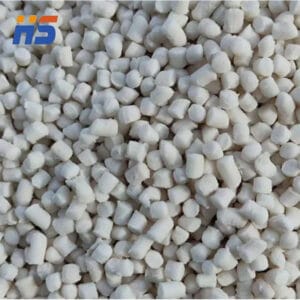
Pelotas TPR ou Borracha Termoplástica, é um material que combina as propriedades da borracha e do plástico. É um material versátil que pode ser facilmente processado utilizando técnicas como moldagem por injeção. TPR é conhecido por sua flexibilidade, durabilidade, e resistência a produtos químicos e intempéries
Flexibilidade e Elasticidade:
TPR exibe flexibilidade e elasticidade semelhantes às da borracha, tornando-o adequado para aplicações que exigem um material que possa dobrar e deformar sem quebrar.
Durabilidade e resistência:
Oferece boa resistência à tração, resistência ao rasgo, e resistência à fadiga, permitindo-lhe suportar o estresse mecânico e o uso a longo prazo.
Resistência química e climática:
O TPR é resistente a muitos produtos químicos e intempéries, tornando-o adequado para aplicações externas e industriais.
Processabilidade:
Sendo um termoplástico, O TPR pode ser derretido e remodelado diversas vezes, permitindo processos de fabricação eficientes, como moldagem por injeção e extrusão.
Reciclabalidade:
TPR pode ser reciclado, tornando-o uma opção mais ecológica em comparação com alguns outros materiais.
-
Propriedades Químicas Líquido incolor. Ponto de fusão 18,17 ℃, ponto de ebulição 287 ℃, 149℃ (1.33kPa); densidade relativa 0.77331 (20/4℃), índice de refração 1.4335. Ponto de inflamação 135℃. Miscível com éter dietílico e éter de petróleo, ligeiramente solúvel em etanol quente, insolúvel em água. Nome do produto Tetradecano Número CAS 629-59-4 Fórmula molecular C14H30 Peso molecular 198.39 Pureza 99% Aparência ponto de fusão líquido…
-
Borracha Termoplástica, é um material que combina as propriedades da borracha e do plástico. É um material versátil que pode ser facilmente processado utilizando técnicas como moldagem por injeção. TPR é conhecido por sua flexibilidade, durabilidade, e resistência a produtos químicos e intempéries
Flexibilidade e Elasticidade:
TPR exibe flexibilidade e elasticidade semelhantes às da borracha, tornando-o adequado para aplicações que exigem um material que possa dobrar e deformar sem quebrar.
Durabilidade e resistência:
Oferece boa resistência à tração, resistência ao rasgo, e resistência à fadiga, permitindo-lhe suportar o estresse mecânico e o uso a longo prazo.
Resistência química e climática:
O TPR é resistente a muitos produtos químicos e intempéries, tornando-o adequado para aplicações externas e industriais.
Processabilidade:
Sendo um termoplástico, O TPR pode ser derretido e remodelado diversas vezes, permitindo processos de fabricação eficientes, como moldagem por injeção e extrusão.
Reciclabalidade:
TPR pode ser reciclado, tornando-o uma opção mais ecológica em comparação com alguns outros materiais.
-
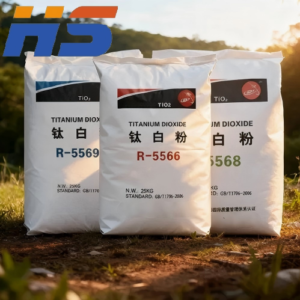
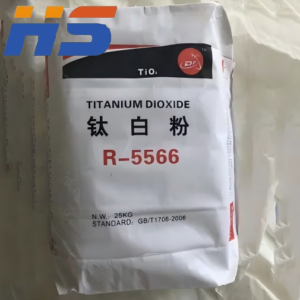
Dióxido de titânio de grau industrial de rutilo em pó Tio2 da China
O dióxido de titânio é um importante pigmento químico inorgânico, o principal componente do dióxido de titânio. O processo de produção de dióxido de titânio possui dois tipos de rotas de processo: método de ácido sulfúrico e método de cloração. Entre os pigmentos brancos comumente usados, a densidade relativa do dióxido de titânio é a menor, e entre os pigmentos brancos da mesma qualidade, o dióxido de titânio tem a maior área de superfície e o maior volume de pigmento.
-
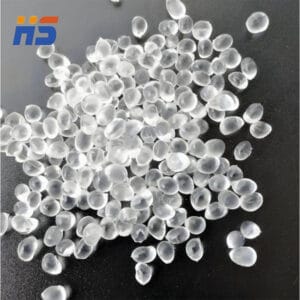
Grânulos de elastômero TPEE :Elastômero de poliéster termoplástico (TPE-E ou TPEE), também conhecido como copoliéster termoplástico, são uma classe de copolímeros multibloco ou uma mistura física de polímeros (geralmente um plástico e uma borracha) que consistem em materiais com propriedades termoplásticas e elastoméricas.
Os elastômeros termoplásticos apresentam vantagens típicas de materiais de borracha e plásticos. A principal diferença entre elastômeros termofixos e elastômeros termoplásticos é o tipo de ligação reticulada em suas estruturas.. Na verdade, a reticulação é um fator estrutural crítico que contribui para conferir altas propriedades elásticas. A reticulação em polímeros termofixos é uma ligação covalente criada durante o processo de vulcanização.
Por outro lado, a reticulação em polímeros de elastômero termoplásticos é um dipolo ou ligação de hidrogênio mais fraco ou ocorre em uma das fases do material.