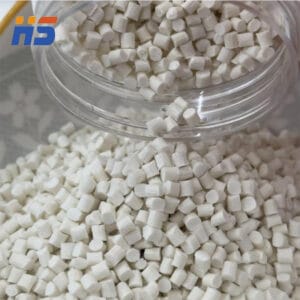
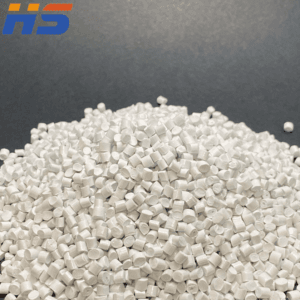
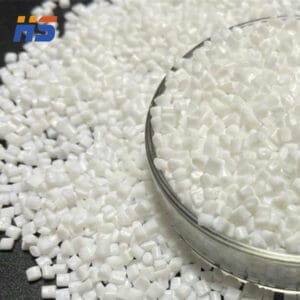
PVC Plastic Granules is a material consisting of PVC resin, plasticizer, minerals and required additives that is produced during the mixing process by compounding machines. PVC granules have a wide range of properties and are produced in the form of soft and hard granules.
Soft PVC Plastic Granules:
The hardness range of soft granules is usually between 40 e 100 (Shore A). In order to reduce the hardness, certain amount of some kinds of plasticizers are used in the production of soft PVC granules. A branch of soft PVC granules are TPE granules, which are combined with a substance called NBR to increase the elasticity of the granules. Soft PVC granules are widely used in wire and cable industries, automobiles, injection, shoes, doors and windows, etc..
Hard PVC Plastic Granules (UPVC):
Due to the insignificant use of plasticizers in this type of granules, they are called hard PVC or UPVC granules. The hardness range of UPVC granules is between 40 e 90 (Shore D). These granules are usually used to produce pipe fittings, door and window profiles, ducts, shutters, etc.. PlasticKar Company, using equipped and up-to-date machines, produces and offers a variety of soft and hard PVC compounds for various applications in a wide range of industries as follows:
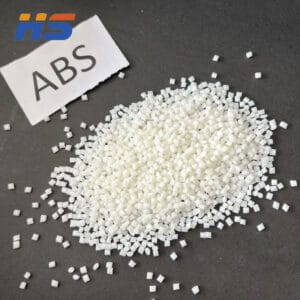
For initiating and getting the recycled ABS plastic, we begin from collecting tons of ABS plastic. The recycling takes place for bulk pellets in one go, to reduce the commercial and environmental expenses.
The first step is to banish all the possible contaminants from the ABS Plastic Material, which belong to the non-ABS plastic material category. There is a need to collect all the waste away from the ABS plastic to process it further.
We store the processed material in stillages or boxes, where we use the haulage partners. The entire recycling facility takes place with the ABS Plastic Material.
Every ABS Recycled Pellet should suit to the environment. Therefore, to serve the requirement, we prefer the quality check and inspect that closely. It helps us to balance and maintain environmental reporting.
As a final step of getting the ABS Recycled Pellet, the entire material passes through the granulator. It helps us to create multiple pellets of ABS plastics.
Properties of ABS plastic available with us
You can rely on us as we provide the best ABS plastic material, engrossed with multiple properties:
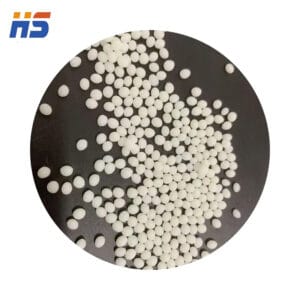
The typical composition of recycled ABS Plastic includes 50 percent of styrene and the rest half is balanced between the butadiene and acrylonitrile.
To get tougher ABS plastic, the proportion of butadiene rubber should be increased.
The inclusion of Styrene serves the ABS plastic with a shinier and impervious surface.
ABS plastic has high impact resistance and resilience comes from the Butadiene inclusion in the same.
The ABS recycled plastic is easily soluble ketones, esters, and ethylene dichloride.
To know more about recycled ABS plastic material or to avail our services, feel free to contact us. Our recyclable material will help to maintain a greener environment around you.
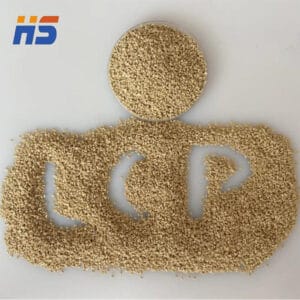
LCP Material orLCP plastic, or Liquid Crystal Polymer plastic, isa type of thermoplastic known for its exceptional properties, particularly its high heat deflection temperature, strength, and chemical resistance. It’s a unique material that exhibits a highly ordered structure in both the melt and solid states, leading to its desirable characteristics.
Key Properties of LCP Plastic:
High Heat Deflection Temperature:
LCPs can withstand high temperatures without significant deformation, making them suitable for applications requiring heat resistance.
Exceptional Strength:
They maintain high strength even at elevated temperatures, and some LCPs even exhibit increased strength as the material thins.
Resistência química:
LCPs are highly resistant to a wide range of chemicals, including acids and solvents.
Flame Retardancy:
Many LCPs are inherently flame retardant, meaning they don’t easily ignite or burn.
Dimensional Stability:
LCPs exhibit good dimensional stability, meaning they maintain their shape and size even under stress or temperature changes.
Good Dielectric Properties:
They have excellent dielectric strength and low dielectric loss, making them suitable for electrical and electronic applications.
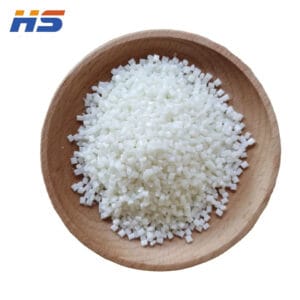
Reprocessed ABS Granules,know as ABS Granules 6100 is greatly used across diverse industries because of their performance and versatility. Some applications worth noting include the following:
Consumer Products
ABS Granules 6100 are used in the production of consumer products such as toys, furniture parts and home furnishings. For these applications, the granules are the recommended option because of their unique blend of strength, impact resistance and adaptability.
Electronics Housings
In the electronics industry, ABS Granules 6100 are well-suited for non-structural applications, including the production of housings for electronic devices like computer peripherals, audio equipment, and consumer electronics. The granules’ electrical insulation properties and aesthetic appeal make them a popular choice in this sector.
Automotive Parts
For the production of interior car parts like door handles, dashboard panels, and trim pieces, ABS Granules 6100 are perfect. These granules are very resistant to impacts and are able to endure the harsh environmental conditions seen in automobiles.
Appliance Housings
The manufacture of appliance housings, such as those for refrigerators, washing machines, air vents and kitchen equipment, frequently uses ABS Granules 6100. These housing components’ long-term resilience and resilience are guaranteed by the granules’ resistance to chemicals, moisture, and impacts.
Ordering Recycled White ABS 6100 Granules
The procedure of placing an order for ABS Granules 6100 is simple. You may take the following actions to guarantee a steady supply of these reprocessed white ABS Granules for your production needs:
Contate-nos
Use our website or the specified contact details to get in touch with our sales staff. Our experienced agents will help you comprehend your needs and offer assistance all the way through the ordering procedure.
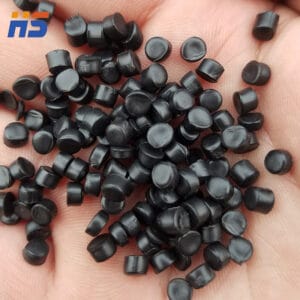
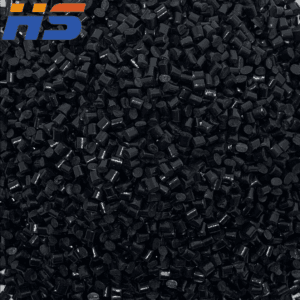
Reprocessed Black ABS Granules series is a desirable alternative for producers of recycled ABS products due to several important characteristics and advantages. Among the significant points are:
Recycled Content
Reprocessed Black ABS Granules are widely recognized for having a significant amount of recycled material. Manufacturers help create a more sustainable future by using these granules, which decrease the need for virgin ABS and keep plastic trash out of landfills.
Performance Characteristics
The performance properties of these black ABS plastic granules are superb. They provide longevity and resilience to mechanical stress because of their remarkable impact strength.
Furthermore, Reprocessed Black ABS Granules shows strong heat resistance, which qualifies them for use in situations where frequent temperature changes occur. Processing and molding may be done more effectively because of ABS Granules 6900’s melt flow index (IMF).
Aplicações
Applications for ABS Granules 6900 may be found in many different industries. They are especially well suited for parts used in automobiles, like as dashboards and interior elements, where both strength and beauty are crucial. These granules are also often utilized in electronics housings, giving electronic equipment structural rigidity and protection.
Furthermore, non-structural building materials, appliance housings, and consumer items like sports equipment and electronics casings may all benefit from the use of ABS Granules 6900.
Custo-benefício
The affordable price of these ABS black plastic granules in comparison to virgin ABS is one of its main benefits. Makers can use these recycled ABS granules to cut costs without hurting how well their products work.
Applications of Black ABS Plastic Granules: ABS 9600
These ABS black plastic granules are very versatile and strong, making them ideal for a wide range of applications. The following are some noteworthy uses for which ABS Granules 6900 are especially suitable
PVC Granulesis a material consisting of PVC resin, plasticizer, minerals and required additives that is produced during the mixing process by compounding machines. PVC granules have a wide range of properties and are produced in the form of soft and hard granules.
Soft PVC Plastic Granules:
The hardness range of soft granules is usually between 40 e 100 (Shore A). In order to reduce the hardness, certain amount of some kinds of plasticizers are used in the production of soft PVC granules. A branch of soft PVC granules are TPE granules, which are combined with a substance called NBR to increase the elasticity of the granules. Soft PVC granules are widely used in wire and cable industries, automobiles, injection, shoes, doors and windows, etc..
Hard PVC Plastic Granules (UPVC):
Due to the insignificant use of plasticizers in this type of granules, they are called hard PVC or UPVC granules. The hardness range of UPVC granules is between 40 e 90 (Shore D). These granules are usually used to produce pipe fittings, door and window profiles, ducts, shutters, etc.. PlasticKar Company, using equipped and up-to-date machines, produces and offers a variety of soft and hard PVC compounds for various applications in a wide range of industries as follows:
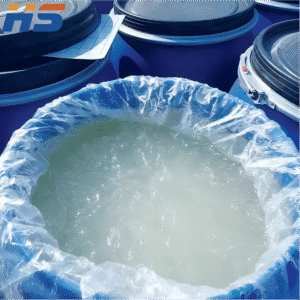
Sodium Lauryl Ether Sulfate 70% (SLES 70%) is a kind of anionic surfactant with excellent performance. Chemical raw materials, commonly used in the industrial detergent and textile industry. Good foaming properties, cleaning profiles, biodegradable surfactants. And effective resistance to hard water, does not hurt the skin. Sodium dodecyl ether sulfate is commonly used in the…
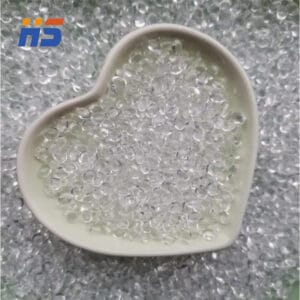
POE Elastomer derived from Polyolefin Elastomer, are versatile plastic granules used in various industries due to their flexibility, resistência às intempéries, and impact resistance. They are primarily used fortoughening PP, PE, and PA in the automotive industry, for insulation and sheathing in wire and cable, and also for industrial products like hoses and conveyor belts. Furthermore, they find applications in medical devices, household appliances, sporting goods, and packaging films.