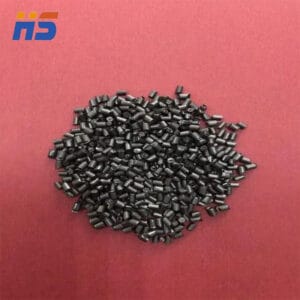
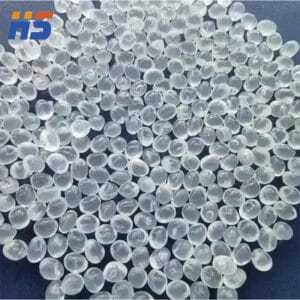
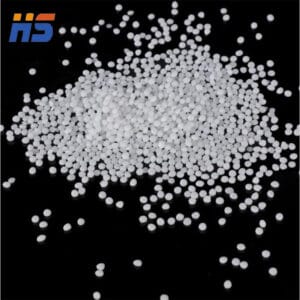
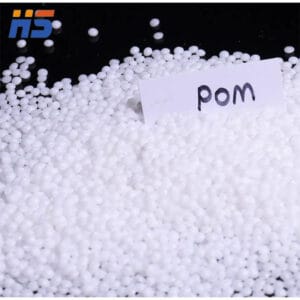
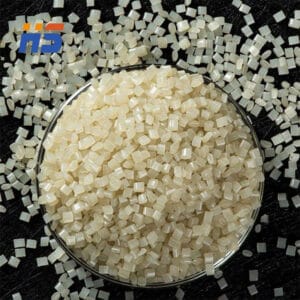
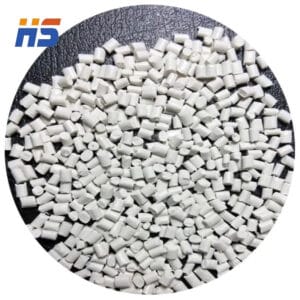
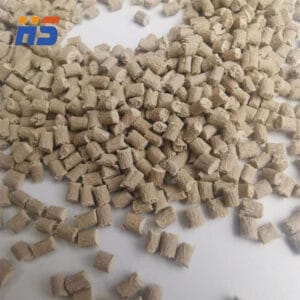
POM resin also called acetyl or acetyl resin, is a very hardself-lubricating plasticand white, although it is usually colored with the most varied shades.
It is a semi crystalline polymer with a low coefficient of friction, resistant to heat and abrasion, with low water absorption and optimal electrical properties
POM Plastic Pellets also called acetyl or acetyl resin, is a very hardself-lubricating plasticand white, although it is usually colored with the most varied shades.
It is a semi crystalline polymer with a low coefficient of friction, resistant to heat and abrasion, with low water absorption and optimal electrical properties
POM resin also called acetyl or acetyl resin, is a very hardself-lubricating plasticand white, although it is usually colored with the most varied shades.
It is a semi crystalline polymer with a low coefficient of friction, resistant to heat and abrasion, with low water absorption and optimal electrical properties
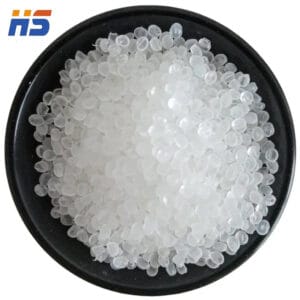
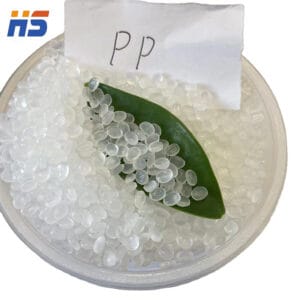
PP Homopolymer Granules consist of tiny, partículas sólidas derivadas de polipropileno. Grânulos de PP é um polímero termoplástico versátil. Eles são conhecidos por seus excelentes atributos físicos e químicos. Seus atributos incluem alta resistência química, durabilidade, e baixo ponto de fusão. Adicionalmente, esses grânulos têm amplas aplicações em diversos setores. Eles servem como matéria-prima essencial para a fabricação de itens de plástico. Eles são amplamente utilizados em processos como moldagem por injeção, extrusão, e moldagem por sopro.
PP Pellets consist of tiny, partículas sólidas derivadas de polipropileno. Grânulos de PP é um polímero termoplástico versátil. Eles são conhecidos por seus excelentes atributos físicos e químicos. Seus atributos incluem alta resistência química, durabilidade, e baixo ponto de fusão. Adicionalmente, esses grânulos têm amplas aplicações em diversos setores. Eles servem como matéria-prima essencial para a fabricação de itens de plástico. Eles são amplamente utilizados em processos como moldagem por injeção, extrusão, e moldagem por sopro.
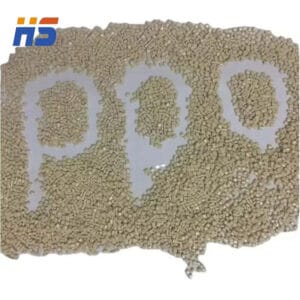
PPO Plastic ppo-resin Polyphenylene Oxide (PPO) isa lightweight resin that’s commonly used and mixed with other resins to facilitate manufacturing processes. It resists heat very well, and as a result, can’t easily be melted down and used in different injection molds or recycled for other uses.
High-temperature PPO blends for car dashboards, pump housings, and electrical enclosures. Aplicações: Electric vehicle battery casings, dishwasher components, and HVAC systems. Principais recursos: HDT 170-190°C, EMI shielding capability. Certificações: Automotive EMC Compliance, UL 94 V0.
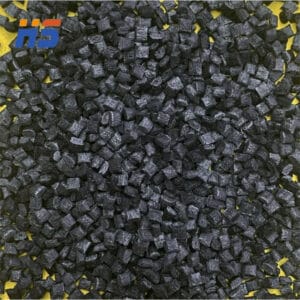
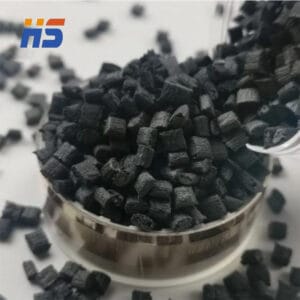
Polyphenylene sulfide, commonly referred to as PPS, is a semi-crystalline thermoplastic with a polymeric structure that gives it a remarkable degree of chemical resistance. Na verdade, there are no known solvents for this high-performance thermoplastic below 392°F (200°C). Its other notable attributes are its inherent flame resistance, electrical properties and its high mechanical strength. Most commercial grades of PPS achieve a UL 94 V-0 flammability rating without flame-retardant additives.
While the unmodified PPS polymer exhibits good all-around performance, the addition of fiber-reinforcement significantly boosts its toughness, structural and thermal properties. A two-fold increase in heat deflection temperature and more than triple the flexural modulus are the main reasons for the far greater usage of 40% glass fiber-reinforced PPS over unfilled grades for load bearing molded and machined parts exposed to higher thermal conditions.
Polyphenylene sulfide, commonly referred to as PPS, is a semi-crystalline thermoplastic with a polymeric structure that gives it a remarkable degree of chemical resistance. Na verdade, there are no known solvents for this high-performance thermoplastic below 392°F (200°C). Its other notable attributes are its inherent flame resistance, electrical properties and its high mechanical strength. Most commercial grades of PPS achieve a UL 94 V-0 flammability rating without flame-retardant additives.
While the unmodified PPS polymer exhibits good all-around performance, the addition of fiber-reinforcement significantly boosts its toughness, structural and thermal properties. A two-fold increase in heat deflection temperature and more than triple the flexural modulus are the main reasons for the far greater usage of 40% glass fiber-reinforced PPS over unfilled grades for load bearing molded and machined parts exposed to higher thermal conditions.