145 weergegeven–153 van 185 resultaat
-

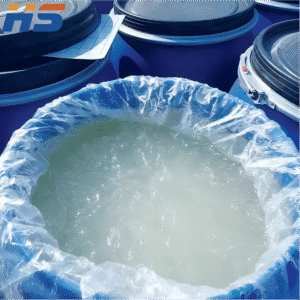
Natriumlaurylethersulfaat 70% (SLES 70%) is een soort anionische oppervlakteactieve stof met uitstekende prestaties. Chemische grondstoffen, vaak gebruikt in de industriële wasmiddelen- en textielindustrie. Goede schuimeigenschappen, schoonmaak profielen, biologisch afbreekbare oppervlakteactieve stoffen. En effectieve weerstand tegen hard water, doet geen pijn aan de huid. Natriumdodecylethersulfaat wordt vaak gebruikt in de…
-
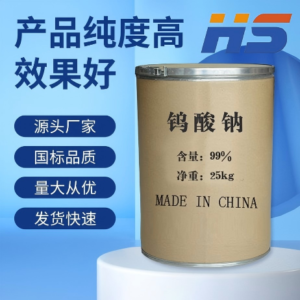
Productomschrijving Item Specificaties Engelse naam Natriumwolframaatdihydraat CAS-nummer 10213-10-2 Molecuulformule H₂Na₂O₅W Molecuulgewicht 288.84 EINECS-nummer 600‑275‑2 Smeltpunt 698 ° C (literatuur waarde) Bulkdichtheid 1600 kg/m³ Dichtheid 4.18 g/cm³ soortelijk gewicht 3.25 Opslagconditie Bewaren op +15 °C tot +25 °C Oplosbaarheid in water 1 M bij 20 ° C, duidelijk…
-
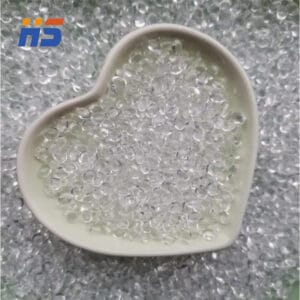
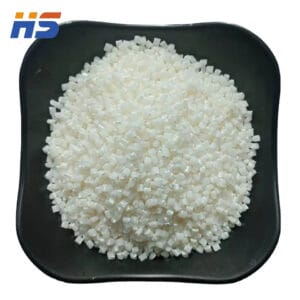
Poe -elastomeer afgeleid van polyolefine -elastomeer, zijn veelzijdige plastic korrels die in verschillende industrieën worden gebruikt vanwege hun flexibiliteit, weerweerstand, en impactweerstand. Ze worden voornamelijk gebruikt voor Toestaan PP, Pe, en PA in de auto -industrie, voor isolatie en het in draad en kabel, en ook voor industriële producten zoals slangen en transportbanden. Verder, Ze vinden aanvragen op medische hulpmiddelen, huishoudelijke apparaten, sportgoederen, en verpakkingsfilms.
-
LDPE-korrels
Pellets van polyethyleen met lage dichtheid
Sollicitatie: Geblazen film
Smeltstroomindex: 1-2
Oorsprong: Post-industrieel materiaal,
Verpakking: grote zakken.
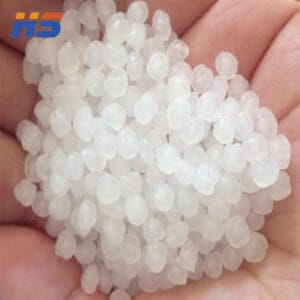
Gerecycleerd LDPE (rLDPE) Pellets zijn gemaakt van post-consumer polyethyleenafval met lage dichtheid, zoals plastic zakken, wikkels, en verpakking. Deze milieuvriendelijke pellets bieden een duurzaam alternatief voor virgin LDPE, biedt uitstekende flexibiliteit, kracht, en prestaties voor een verscheidenheid aan toepassingen.
Ideaal voor gebruik in verpakkingen, filmproductie, en consumptiegoederen, onze rLDPE-pellets helpen bedrijven hun impact op het milieu te verminderen met behoud van de productkwaliteit. Door te kiezen voor gerecycled LDPE, je draagt bij aan een circulaire economie en bevordert verantwoorde productiepraktijken.
Belangrijke functies:
- Gemaakt van 100% gerecycled LDPE
- Flexibele, duurzaam, en veelzijdig voor diverse toepassingen
- Milieuvriendelijk en kosteneffectief alternatief voor nieuw LDPE
- Ondersteunt afvalvermindering en duurzame productie
Kies onze Gerecycleerde LDPE-pellets voor een groener, een duurzamere toekomst, terwijl de kwaliteit en prestaties van uw producten behouden blijven.
-
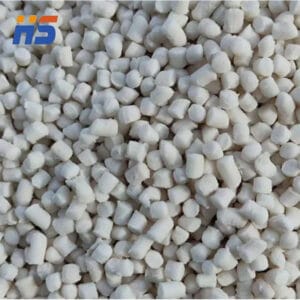
TPR-pellets of Thermoplastisch rubber, is een materiaal dat de eigenschappen van zowel rubber als kunststof combineert. Het is een veelzijdig materiaal dat gemakkelijk kan worden verwerkt met behulp van technieken zoals spuitgieten. TPR staat bekend om zijn flexibiliteit, duurzaamheid, en weerstand tegen chemicaliën en verwering
Belangrijkste eigenschappen:
Flexibiliteit en elasticiteit:
TPR vertoont rubberachtige flexibiliteit en elasticiteit, waardoor het geschikt is voor toepassingen die een materiaal vereisen dat kan buigen en vervormen zonder te breken.
Duurzaamheid en sterkte:
Het biedt een goede treksterkte, scheurweerstand, en weerstand tegen vermoeidheid, waardoor het bestand is tegen mechanische belasting en langdurig gebruik.
Chemische en weerbestendigheid:
TPR is bestand tegen veel chemicaliën en weersinvloeden, waardoor het geschikt is voor buiten- en industriële toepassingen.
Verwerkbaarheid:
Thermoplastisch zijn, TPR kan meerdere keren worden gesmolten en opnieuw worden gevormd, waardoor efficiënte productieprocessen zoals spuitgieten en extrusie mogelijk zijn.
Recycleerbaarheid:
TPR kan worden gerecycled, waardoor het een milieuvriendelijkere optie is vergeleken met sommige andere materialen.
-
Chemische eigenschappen Kleurloze vloeistof. Smeltpunt 18,17℃, kookpunt 287℃, 149℃ (1.33kPa); relatieve dichtheid 0.77331 (20/4℃), brekingsindex 1.4335. Vlampunt 135℃. Mengbaar met diethylether en petroleumether, enigszins oplosbaar in hete ethanol, onoplosbaar in water. Productnaam Tetradecane CAS-nummer 629-59-4 Molecuulformule C14H30 Molecuulgewicht 198.39 Zuiverheid 99% Uiterlijk vloeibaar Smeltpunt…
-
Thermoplastisch rubber, is een materiaal dat de eigenschappen van zowel rubber als kunststof combineert. Het is een veelzijdig materiaal dat gemakkelijk kan worden verwerkt met behulp van technieken zoals spuitgieten. TPR staat bekend om zijn flexibiliteit, duurzaamheid, en weerstand tegen chemicaliën en verwering
Belangrijkste eigenschappen:
Flexibiliteit en elasticiteit:
TPR vertoont rubberachtige flexibiliteit en elasticiteit, waardoor het geschikt is voor toepassingen die een materiaal vereisen dat kan buigen en vervormen zonder te breken.
Duurzaamheid en sterkte:
Het biedt een goede treksterkte, scheurweerstand, en weerstand tegen vermoeidheid, waardoor het bestand is tegen mechanische belasting en langdurig gebruik.
Chemische en weerbestendigheid:
TPR is bestand tegen veel chemicaliën en weersinvloeden, waardoor het geschikt is voor buiten- en industriële toepassingen.
Verwerkbaarheid:
Thermoplastisch zijn, TPR kan meerdere keren worden gesmolten en opnieuw worden gevormd, waardoor efficiënte productieprocessen zoals spuitgieten en extrusie mogelijk zijn.
Recycleerbaarheid:
TPR kan worden gerecycled, waardoor het een milieuvriendelijkere optie is vergeleken met sommige andere materialen.
-
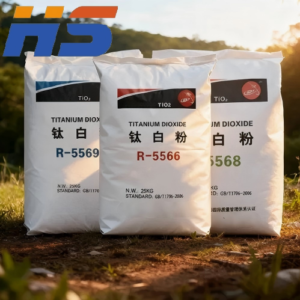
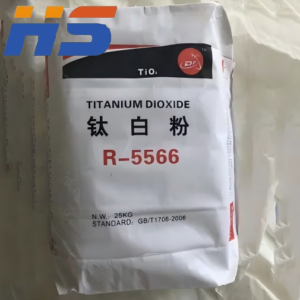
China Tio2 Poeder Industrieel Rutielkwaliteit Titaandioxide
Titaandioxide is een belangrijk anorganisch chemisch pigment, het hoofdbestanddeel van titaniumdioxide. Het productieproces van titaandioxide kent twee soorten procesroutes: zwavelzuurmethode en chloreringsmethode. Onder de meest gebruikte witte pigmenten, de relatieve dichtheid van titaniumdioxide is het kleinst, en tussen de witte pigmenten van dezelfde kwaliteit, titaandioxide heeft het grootste oppervlak en het hoogste pigmentvolume.
-
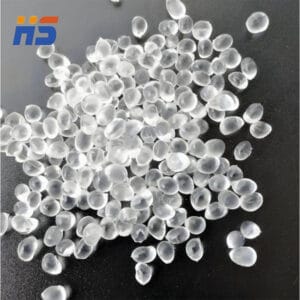
TPEE-elastomeerkorrels :Thermoplastisch polyester-elastomeer (TPE-E of TPEE), ook bekend als thermoplastisch copolyester, zijn een klasse van multiblokcopolymeren of een fysiek mengsel van polymeren (meestal een plastic en een rubber) die bestaan uit materialen met zowel thermoplastische als elastomere eigenschappen.
Thermoplastische elastomeren vertonen beide voordelen die typisch zijn voor rubberachtige en plastic materialen. Het belangrijkste verschil tussen thermohardende elastomeren en thermoplastische elastomeren is het type verknopende binding in hun structuren. In werkelijkheid, verknoping is een kritische structurele factor die bijdraagt aan het verlenen van hoge elastische eigenschappen. De verknoping in thermohardende polymeren is een covalente binding die ontstaat tijdens het vulkanisatieproces.
Aan de andere kant is de verknoping in thermoplastische elastomeerpolymeren een zwakkere dipool- of waterstofbinding of vindt plaats in een van de fasen van het materiaal.