Melt Flow Index: 1-2 Origem: Post industrial material, Embalagem: big-bags.
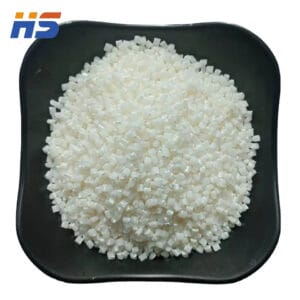
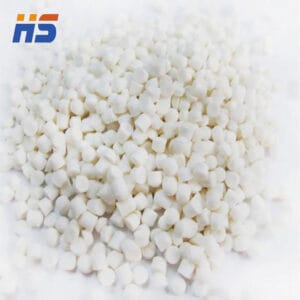
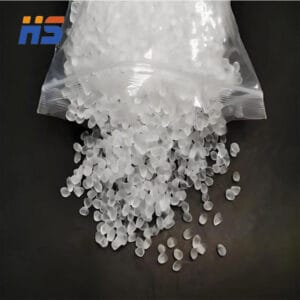
Recycled LDPE (rLDPE) Pelletsare made from post-consumer low-density polyethylene waste, such as plastic bags, wraps, and packaging. These eco-friendly pellets offer a sustainable alternative to virgin LDPE, providing excellent flexibility, strength, and performance for a variety of applications.
Ideal for use in packaging, film production, and consumer goods, our rLDPE pellets help businesses reduce their environmental impact while maintaining product quality. By choosing recycled LDPE, you contribute to a circular economy and promote responsible manufacturing practices.
Principais recursos:
Made from 100% recycled LDPE
Flexible, durable, and versatile for various applications
Eco-friendly and cost-effective alternative to virgin LDPE
Supports waste reduction and sustainable production
Choose ourRecycled LDPE Pelletsfor a greener, more sustainable future while upholding the quality and performance of your products.
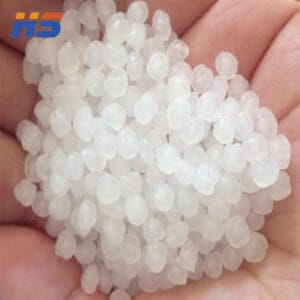
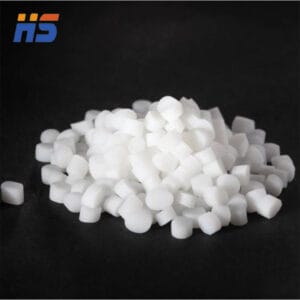
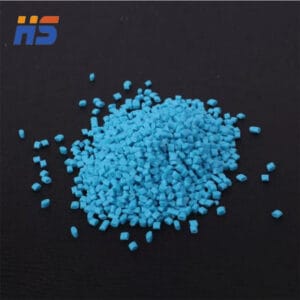
TPR PelletsorThermoplastic Rubber, is a material that combines the properties of both rubber and plastic. It is a versatile material that can be easily processed using techniques likemoldagem por injeção.TPR is known for its flexibility, durabilidade, and resistance to chemicals and weathering
Key Properties:
Flexibility and Elasticity:
TPR exhibits rubber-like flexibility and elasticity, making it suitable for applications requiring a material that can bend and deform without breaking.
Durability and Strength:
It offers good tensile strength, tear resistance, and resistance to fatigue, allowing it to withstand mechanical stress and long-term use.
Chemical and Weather Resistance:
TPR is resistant to many chemicals and weathering, making it suitable for outdoor and industrial applications.
Processability:
Being a thermoplastic, TPR can be melted and reshaped multiple times, allowing for efficient manufacturing processes like injection molding and extrusion.
Reciclabalidade:
TPR can be recycled, making it a more environmentally friendly option compared to some other materials.
Chemical Properties Colorless liquid. Melting point 18.17℃, boiling point 287℃, 149℃ (1.33kPa); relative density 0.77331 (20/4℃), refractive index 1.4335. Flash point 135℃. Miscible with diethyl ether and petroleum ether, slightly soluble in hot ethanol, insoluble in water. Product Name Tetradecane CAS Number 629-59-4 Molecular Formula C14H30 Molecular weight 198.39 Purity 99% Appearance liquid Melting Point…
Thermoplastic Rubber, is a material that combines the properties of both rubber and plastic. It is a versatile material that can be easily processed using techniques likemoldagem por injeção.TPR is known for its flexibility, durabilidade, and resistance to chemicals and weathering
Key Properties:
Flexibility and Elasticity:
TPR exhibits rubber-like flexibility and elasticity, making it suitable for applications requiring a material that can bend and deform without breaking.
Durability and Strength:
It offers good tensile strength, tear resistance, and resistance to fatigue, allowing it to withstand mechanical stress and long-term use.
Chemical and Weather Resistance:
TPR is resistant to many chemicals and weathering, making it suitable for outdoor and industrial applications.
Processability:
Being a thermoplastic, TPR can be melted and reshaped multiple times, allowing for efficient manufacturing processes like injection molding and extrusion.
Reciclabalidade:
TPR can be recycled, making it a more environmentally friendly option compared to some other materials.
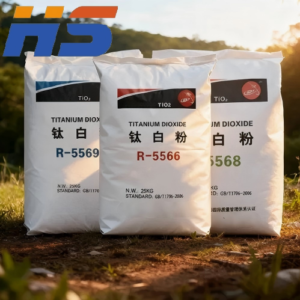
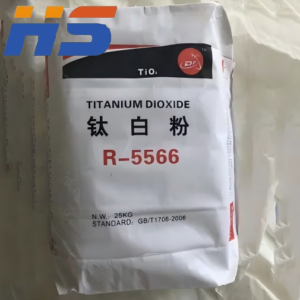
China Tio2 Powder Industrial Rutile Grade Titanium Dioxide
Titanium dioxide is an important inorganic chemical pigment, the main component of titanium dioxide. The production process of titanium dioxide has two kinds of process routes: sulfuric acid method and chlorination method. Among the commonly used white pigments, the relative density of titanium dioxide is the smallest, and among the white pigments of the same quality, titanium dioxide has the largest surface area and the highest pigment volume.
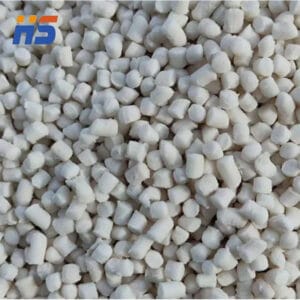
TPEE Elastomer Granules :Thermoplastic polyester elastomer (TPE-E ou TPEE), também conhecido como copoliéster termoplástico, são uma classe de copolímeros multibloco ou uma mistura física de polímeros (geralmente um plástico e uma borracha) que consistem em materiais com propriedades termoplásticas e elastoméricas.
Os elastômeros termoplásticos apresentam vantagens típicas de materiais de borracha e plásticos. A principal diferença entre elastômeros termofixos e elastômeros termoplásticos é o tipo de ligação reticulada em suas estruturas.. Na verdade, a reticulação é um fator estrutural crítico que contribui para conferir altas propriedades elásticas. A reticulação em polímeros termofixos é uma ligação covalente criada durante o processo de vulcanização.
Por outro lado, a reticulação em polímeros de elastômero termoplásticos é um dipolo ou ligação de hidrogênio mais fraco ou ocorre em uma das fases do material.
TPEE Material :Thermoplastic polyester elastomer (TPE-E ou TPEE), também conhecido como copoliéster termoplástico, são uma classe de copolímeros multibloco ou uma mistura física de polímeros (geralmente um plástico e uma borracha) que consistem em materiais com propriedades termoplásticas e elastoméricas.
Os elastômeros termoplásticos apresentam vantagens típicas de materiais de borracha e plásticos. A principal diferença entre elastômeros termofixos e elastômeros termoplásticos é o tipo de ligação reticulada em suas estruturas.. Na verdade, a reticulação é um fator estrutural crítico que contribui para conferir altas propriedades elásticas. A reticulação em polímeros termofixos é uma ligação covalente criada durante o processo de vulcanização.
Por outro lado, a reticulação em polímeros de elastômero termoplásticos é um dipolo ou ligação de hidrogênio mais fraco ou ocorre em uma das fases do material.
TPR Material, orThermoplastic Rubber, is a material that combines the properties of both rubber and plastic. It is a versatile material that can be easily processed using techniques likemoldagem por injeção.TPR is known for its flexibility, durabilidade, and resistance to chemicals and weathering
Key Properties:
Flexibility and Elasticity:
TPR exhibits rubber-like flexibility and elasticity, making it suitable for applications requiring a material that can bend and deform without breaking.
Durability and Strength:
It offers good tensile strength, tear resistance, and resistance to fatigue, allowing it to withstand mechanical stress and long-term use.
Chemical and Weather Resistance:
TPR is resistant to many chemicals and weathering, making it suitable for outdoor and industrial applications.
Processability:
Being a thermoplastic, TPR can be melted and reshaped multiple times, allowing for efficient manufacturing processes like injection molding and extrusion.
Reciclabalidade:
TPR can be recycled, making it a more environmentally friendly option compared to some other materials.
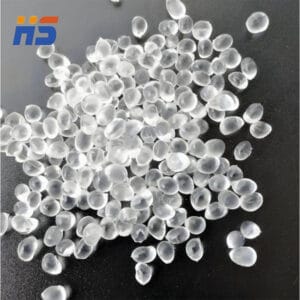
TPR Resin, orThermoplastic Rubber, is a material that combines the properties of both rubber and plastic. It is a versatile material that can be easily processed using techniques likemoldagem por injeção.TPR is known for its flexibility, durabilidade, and resistance to chemicals and weathering
Key Properties:
Flexibility and Elasticity:
TPR exhibits rubber-like flexibility and elasticity, making it suitable for applications requiring a material that can bend and deform without breaking.
Durability and Strength:
It offers good tensile strength, tear resistance, and resistance to fatigue, allowing it to withstand mechanical stress and long-term use.
Chemical and Weather Resistance:
TPR is resistant to many chemicals and weathering, making it suitable for outdoor and industrial applications.
Processability:
Being a thermoplastic, TPR can be melted and reshaped multiple times, allowing for efficient manufacturing processes like injection molding and extrusion.
Reciclabalidade:
TPR can be recycled, making it a more environmentally friendly option compared to some other materials.