Affichage 136–144 de 182 résultats
-

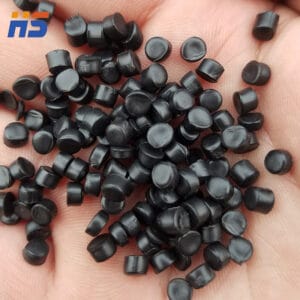
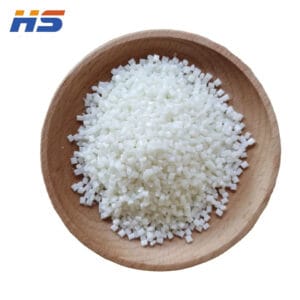
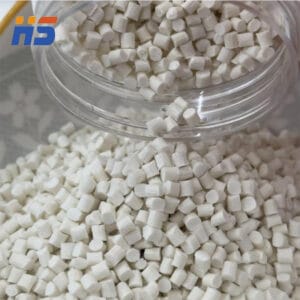
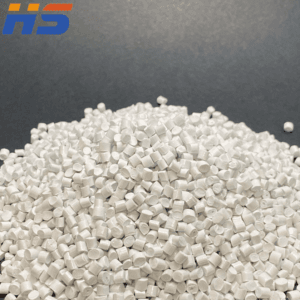
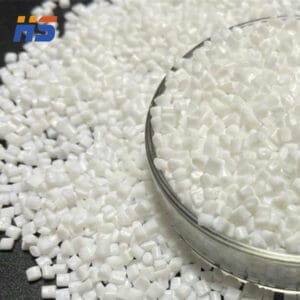
Les granules de plastique PVC sont un matériau constitué de résine PVC., plastifiant, minéraux et additifs requis produits pendant le processus de mélange par des machines de mélange. Les granulés de PVC ont une large gamme de propriétés et sont produits sous forme de granulés mous et durs.
Granulés de plastique PVC souple:
La plage de dureté des granulés mous se situe généralement entre 40 et 100 (Rive A). Afin de réduire la dureté, une certaine quantité de certains types de plastifiants est utilisée dans la production de granulés de PVC souple.
Une branche de granulés de PVC souple sont les granulés de TPE, qui sont combinés avec une substance appelée NBR pour augmenter l'élasticité des granulés. Les granulés de PVC souple sont largement utilisés dans les industries du fil et du câble., automobiles, injection, chaussures, portes et fenêtres, etc..
Granulés de plastique PVC dur (PVC):
En raison de l'utilisation insignifiante de plastifiants dans ce type de granulés, on les appelle granulés de PVC dur ou UPVC. La plage de dureté des granulés UPVC se situe entre 40 et 90 (Rive D). Ces granulés sont généralement utilisés pour produire des raccords de tuyauterie, profils de portes et fenêtres, conduits, volets, etc..
Société PlasticKar, en utilisant des machines équipées et à jour, produit et propose une variété de composés de PVC souples et durs pour diverses applications dans un large éventail d'industries comme suit:
- Fil, câbles et électricité industries
- Bindustrie du bâtiment
- Industrie de la chaussure
- Industrie des tuyaux
- Autre granulés
-
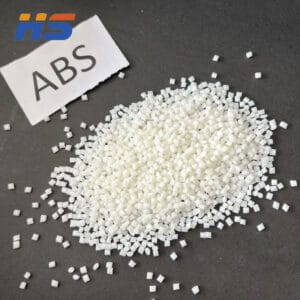
Notre processus de recyclage du plastique ABS
- Pour initier et récupérer le plastique ABS recyclé, nous commençons par collecter des tonnes de plastique ABS. Le recyclage des pellets en vrac s'effectue en une seule fois, réduire les dépenses commerciales et environnementales.
- La première étape consiste à bannir tous les contaminants possibles de la matière plastique ABS., qui appartiennent à la catégorie des matières plastiques non ABS. Il est nécessaire de collecter tous les déchets du plastique ABS pour le traiter davantage..
- Nous stockons le matériel traité dans des alambics ou des caisses, où nous utilisons les partenaires de transport. L'ensemble de l'installation de recyclage est réalisé avec du matériau plastique ABS..
- Chaque granulé ABS recyclé doit être adapté à l'environnement. Donc, pour répondre à l'exigence, nous préférons le contrôle de qualité et l'inspectons de près. Cela nous aide à équilibrer et à maintenir le reporting environnemental.
- Comme étape finale pour obtenir le granulé ABS recyclé, tout le matériau passe par le granulateur. Cela nous aide à créer plusieurs pastilles de plastique ABS.
Propriétés du plastique ABS disponible chez nous
Vous pouvez compter sur nous car nous fournissons le meilleur matériau plastique ABS., absorbé par de multiples propriétés:
- La composition typique du plastique ABS recyclé comprend 50 pour cent de styrène et la moitié restante est équilibrée entre le butadiène et l'acrylonitrile.
- Pour obtenir du plastique ABS plus résistant, la proportion de caoutchouc butadiène doit être augmentée.
- L'inclusion de styrène confère au plastique ABS une surface plus brillante et imperméable..
- Le plastique ABS a une résistance élevée aux chocs et la résilience provient de l'inclusion de butadiène dans celui-ci..
- Le plastique recyclé ABS est facilement soluble dans les cétones, esters, et dichlorure d'éthylène.
Pour en savoir plus sur la matière plastique ABS recyclée ou pour bénéficier de nos services, n'hésitez pas à nous contacter. Notre matériau recyclable contribuera à maintenir un environnement plus vert autour de vous.
-
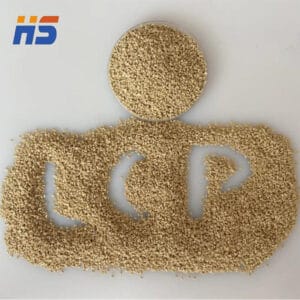
Matériel LCP ou Plastique LCP, ou plastique polymère à cristaux liquides, est un type de thermoplastique connu pour ses propriétés exceptionnelles, en particulier sa température de déflexion thermique élevée, force, et résistance chimique. C’est un matériau unique qui présente une structure hautement ordonnée à la fois à l’état fondu et solide., conduisant à ses caractéristiques souhaitables.
Propriétés clés du plastique LCP:
Température de déflexion thermique élevée:
Les LCP peuvent résister à des températures élevées sans déformation significative, ce qui les rend adaptés aux applications nécessitant une résistance à la chaleur. Résistance exceptionnelle:
Ils conservent une résistance élevée même à des températures élevées, et certains LCP présentent même une résistance accrue à mesure que le matériau s'amincit. Résistance chimique:
Les LCP sont très résistants à un large éventail de produits chimiques, y compris les acides et les solvants. Ignifuge:
De nombreux LCP sont intrinsèquement ignifuges, ce qui signifie qu’ils ne s’enflamment pas ou ne brûlent pas facilement. Stabilité dimensionnelle:
Les LCP présentent une bonne stabilité dimensionnelle, ce qui signifie qu'ils conservent leur forme et leur taille même sous des contraintes ou des changements de température. Bonnes propriétés diélectriques:
Ils ont une excellente rigidité diélectrique et une faible perte diélectrique, ce qui les rend adaptés aux applications électriques et électroniques.
-
-
-
PVC Granules est un matériau constitué de résine PVC, plastifiant, minéraux et additifs requis produits pendant le processus de mélange par des machines de mélange. Les granulés de PVC ont une large gamme de propriétés et sont produits sous forme de granulés mous et durs.
Granulés de plastique PVC souple:
La plage de dureté des granulés mous se situe généralement entre 40 et 100 (Rive A). Afin de réduire la dureté, une certaine quantité de certains types de plastifiants est utilisée dans la production de granulés de PVC souple.
Une branche de granulés de PVC souple sont les granulés de TPE, qui sont combinés avec une substance appelée NBR pour augmenter l'élasticité des granulés. Les granulés de PVC souple sont largement utilisés dans les industries du fil et du câble., automobiles, injection, chaussures, portes et fenêtres, etc..
Granulés de plastique PVC dur (PVC):
En raison de l'utilisation insignifiante de plastifiants dans ce type de granulés, on les appelle granulés de PVC dur ou UPVC. La plage de dureté des granulés UPVC se situe entre 40 et 90 (Rive D). Ces granulés sont généralement utilisés pour produire des raccords de tuyauterie, profils de portes et fenêtres, conduits, volets, etc..
Société PlasticKar, en utilisant des machines équipées et à jour, produit et propose une variété de composés de PVC souples et durs pour diverses applications dans un large éventail d'industries comme suit:
- Fil, câbles et électricité industries
- Bindustrie du bâtiment
- Industrie de la chaussure
- Industrie des tuyaux
- Autre granulés
-
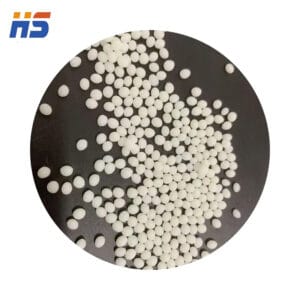
Les propriétés des pellets S-198AL (Polyuréthane thermoplastique) S-198AL :
- Son excellente résistance à l’abrasion, flexibilité, et sa durabilité le rendent adapté aux semelles de chaussures
- Sa capacité à offrir résistance aux chocs et flexibilité, tout en conservant un toucher doux et caoutchouteux, en font un choix populaire pour les biens de consommation
- Sa résistance aux produits chimiques, huiles, et l'abrasion le rend idéal pour créer des composants industriels durables et fiables.
- Sa flexibilité et sa résistance aux facteurs environnementaux le rendent adapté aux composants électroniques
| Propriétés physiques | Norme d'essai | Unité | Valeur typique* |
| Densité | ASTM D792 | g/cm3 | 1.23±0,02 |
| Dureté Shore | ASTM D2240 | Rive A Rive D | 98±2 A |
| Résistance à la traction | ASTM D412 | Kgf/cm2 | 350 |
| Allongement à la rupture | ASTM D412 | % | 400 |
| 100% Résistance à la traction | ASTM D412 | Kgf/cm2 | 120 |
| 300% Résistance à la traction | ASTM D412 | Kgf/cm2 | 150 |
| Résistance à la déchirure | ASTM D624 | Kgf/cm | 130 |
| Conditions de moulage |
| Séchage | Température de séchage | 100° C |
| Temps de séchage | 2-4heures |
| Traitement | Température de traitement | 190-215° C |
| Moule de traitement | Moulage par injection |
-
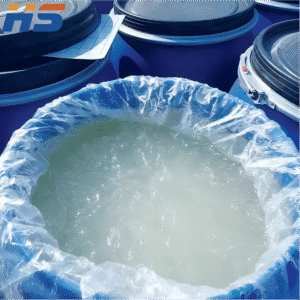
Lauryléther sulfate de sodium 70% (SLES 70%) est une sorte de tensioactif anionique avec d'excellentes performances. Matières premières chimiques, couramment utilisé dans l'industrie des détergents industriels et du textile. Bonnes propriétés moussantes, profils de nettoyage, tensioactifs biodégradables. Et une résistance efficace à l’eau dure, ne fait pas mal à la peau. Le dodécyléther sulfate de sodium est couramment utilisé dans le…
-
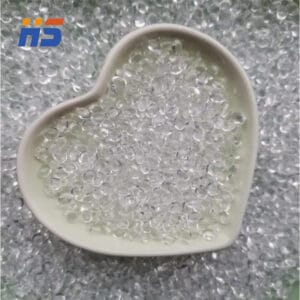
Élastomère POE dérivé d'élastomère polyoléfine, sont des granulés de plastique polyvalents utilisés dans diverses industries en raison de leur flexibilité, résistance aux intempéries, et résistance aux chocs. Ils sont principalement utilisés pour PP durcissant, Pe, et PA dans l'industrie automobile, pour l'isolation et le gainage des fils et câbles, et également pour les produits industriels comme les tuyaux et les bandes transporteuses. En outre, ils trouvent des applications dans les dispositifs médicaux, appareils électroménagers, articles de sport, et films d'emballage.