Affichage 127–135 de 182 résultats
-

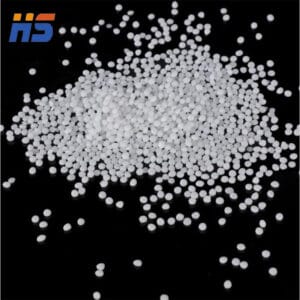
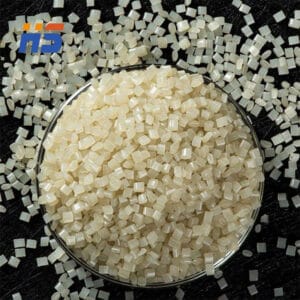
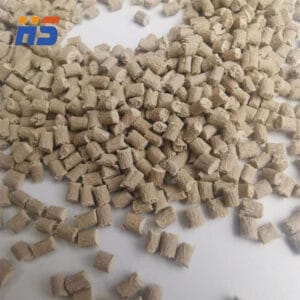
Résine POM également appelée résine acétyle ou acétyle, c'est très difficile en plastique autolubrifiant et blanc, bien qu'il soit généralement coloré avec les nuances les plus variées.
C'est un polymère semi-cristallin avec un faible coefficient de frottement, résistant à la chaleur et à l'abrasion, avec une faible absorption d'eau et des propriétés électriques optimales
-
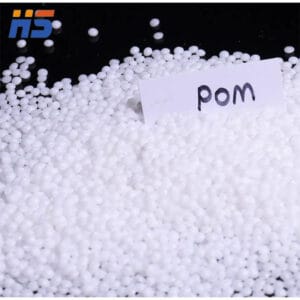
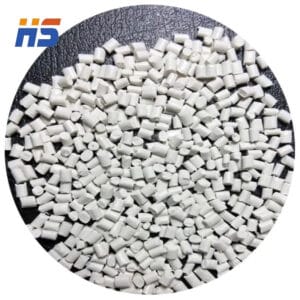
Granulés de plastique POM également appelés acétyle ou résine acétyle, c'est très difficile en plastique autolubrifiant et blanc, bien qu'il soit généralement coloré avec les nuances les plus variées.
C'est un polymère semi-cristallin avec un faible coefficient de frottement, résistant à la chaleur et à l'abrasion, avec une faible absorption d'eau et des propriétés électriques optimales
-
Résine POM également appelée résine acétyle ou acétyle, c'est très difficile en plastique autolubrifiant et blanc, bien qu'il soit généralement coloré avec les nuances les plus variées.
C'est un polymère semi-cristallin avec un faible coefficient de frottement, résistant à la chaleur et à l'abrasion, avec une faible absorption d'eau et des propriétés électriques optimales
-
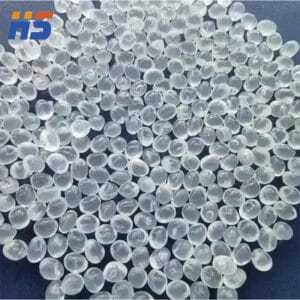
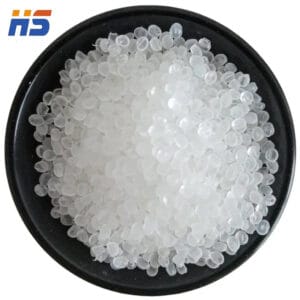
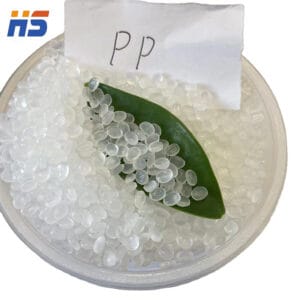
Les granules d'homopolymère PP sont constitués de minuscules, particules solides dérivées du polypropylène. Granulés PP est un polymère thermoplastique polyvalent. Ils sont réputés pour leurs attributs physiques et chimiques exceptionnels. Leurs attributs incluent une résistance chimique élevée, durabilité, et point de fusion bas. En plus, ces granulés ont de nombreuses applications dans diverses industries. Ils servent de matières premières essentielles à la fabrication d'articles en plastique. Ils sont largement utilisés dans des processus comme le moulage par injection, extrusion, et moulage par soufflage.
-
Les granulés PP sont constitués de minuscules, particules solides dérivées du polypropylène. Granulés PP est un polymère thermoplastique polyvalent. Ils sont réputés pour leurs attributs physiques et chimiques exceptionnels. Leurs attributs incluent une résistance chimique élevée, durabilité, et point de fusion bas. En plus, ces granulés ont de nombreuses applications dans diverses industries. Ils servent de matières premières essentielles à la fabrication d'articles en plastique. Ils sont largement utilisés dans des processus comme le moulage par injection, extrusion, et moulage par soufflage.
-
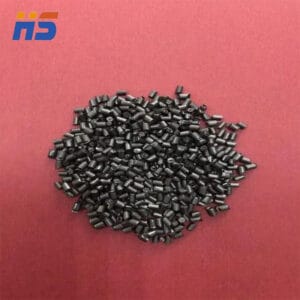
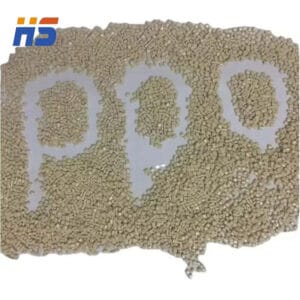
PPO Plastique ppo-résine Oxyde de polyphénylène (PPO) est une résine légère couramment utilisée et mélangée à d'autres résines pour faciliter les processus de fabrication. Il résiste très bien à la chaleur, et par conséquent, ne peut pas être facilement fondu et utilisé dans différents moules d’injection ou recyclé pour d’autres utilisations.
-
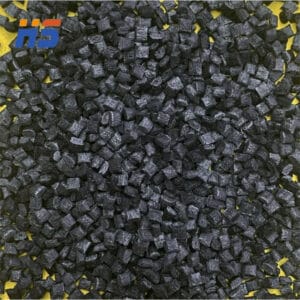
Mélanges de PPO haute température pour tableaux de bord de voiture, corps de pompe, et coffrets électriques. Applications: Boîtiers de batteries de véhicules électriques, composants du lave-vaisselle, et systèmes CVC. Caractéristiques clés: HDT170-190°C, Capacité de blindage EMI. Certifications: Conformité CEM automobile, Ul 94 V0.
-
Granulés de plastique PPS
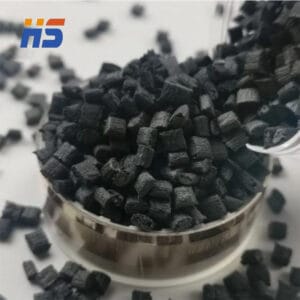
Sulfure de polyphénylène, communément appelé PPS, est un thermoplastique semi-cristallin avec une structure polymère qui lui confère un degré remarquable de résistance chimique. En fait, il n'existe aucun solvant connu pour ce thermoplastique haute performance en dessous de 392°F (200° C). Ses autres attributs notables sont sa résistance inhérente aux flammes, propriétés électriques et sa haute résistance mécanique. La plupart des qualités commerciales de PPS atteignent un UL 94 V-0 indice d'inflammabilité sans additifs ignifuges.
Alors que le polymère PPS non modifié présente de bonnes performances globales, l'ajout de fibres de renforcement augmente considérablement sa ténacité, propriétés structurelles et thermiques. Une augmentation de deux fois de la température de déflexion thermique et plus du triple du module de flexion sont les principales raisons de l'utilisation beaucoup plus grande de 40% PPS renforcé de fibres de verre sur des qualités non chargées pour les pièces moulées et usinées porteuses exposées à des conditions thermiques plus élevées.
-
Granules de résine PPS
Sulfure de polyphénylène, communément appelé PPS, est un thermoplastique semi-cristallin avec une structure polymère qui lui confère un degré remarquable de résistance chimique. En fait, il n'existe aucun solvant connu pour ce thermoplastique haute performance en dessous de 392°F (200° C). Ses autres attributs notables sont sa résistance inhérente aux flammes, propriétés électriques et sa haute résistance mécanique. La plupart des qualités commerciales de PPS atteignent un UL 94 V-0 indice d'inflammabilité sans additifs ignifuges.
Alors que le polymère PPS non modifié présente de bonnes performances globales, l'ajout de fibres de renforcement augmente considérablement sa ténacité, propriétés structurelles et thermiques. Une augmentation de deux fois de la température de déflexion thermique et plus du triple du module de flexion sont les principales raisons de l'utilisation beaucoup plus grande de 40% PPS renforcé de fibres de verre sur des qualités non chargées pour les pièces moulées et usinées porteuses exposées à des conditions thermiques plus élevées.