Affichage 136–144 de 174 résultats
-

-
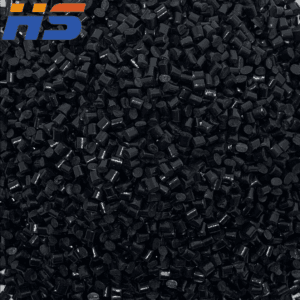
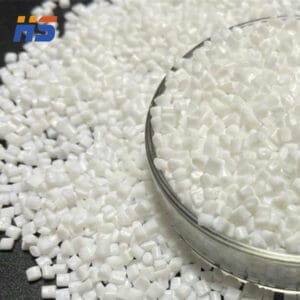
PVC Granules est un matériau constitué de résine PVC, plastifiant, minéraux et additifs requis produits pendant le processus de mélange par des machines de mélange. Les granulés de PVC ont une large gamme de propriétés et sont produits sous forme de granulés mous et durs.
Granulés de plastique PVC souple:
La plage de dureté des granulés mous se situe généralement entre 40 et 100 (Rive A). Afin de réduire la dureté, une certaine quantité de certains types de plastifiants est utilisée dans la production de granulés de PVC souple.
Une branche de granulés de PVC souple sont les granulés de TPE, qui sont combinés avec une substance appelée NBR pour augmenter l'élasticité des granulés. Les granulés de PVC souple sont largement utilisés dans les industries du fil et du câble., automobiles, injection, chaussures, portes et fenêtres, etc..
Granulés de plastique PVC dur (PVC):
En raison de l'utilisation insignifiante de plastifiants dans ce type de granulés, on les appelle granulés de PVC dur ou UPVC. La plage de dureté des granulés UPVC se situe entre 40 et 90 (Rive D). Ces granulés sont généralement utilisés pour produire des raccords de tuyauterie, profils de portes et fenêtres, conduits, volets, etc..
Société PlasticKar, en utilisant des machines équipées et à jour, produit et propose une variété de composés de PVC souples et durs pour diverses applications dans un large éventail d'industries comme suit:
- Fil, câbles et électricité industries
- Bindustrie du bâtiment
- Industrie de la chaussure
- Industrie des tuyaux
- Autre granulés
-
Les propriétés des pellets S-198AL (Polyuréthane thermoplastique) S-198AL :
- Son excellente résistance à l’abrasion, flexibilité, et sa durabilité le rendent adapté aux semelles de chaussures
- Sa capacité à offrir résistance aux chocs et flexibilité, tout en conservant un toucher doux et caoutchouteux, en font un choix populaire pour les biens de consommation
- Sa résistance aux produits chimiques, huiles, et l'abrasion le rend idéal pour créer des composants industriels durables et fiables.
- Sa flexibilité et sa résistance aux facteurs environnementaux le rendent adapté aux composants électroniques
| Propriétés physiques | Norme d'essai | Unité | Valeur typique* |
| Densité | ASTM D792 | g/cm3 | 1.23±0,02 |
| Dureté Shore | ASTM D2240 | Rive A Rive D | 98±2 A |
| Résistance à la traction | ASTM D412 | Kgf/cm2 | 350 |
| Allongement à la rupture | ASTM D412 | % | 400 |
| 100% Résistance à la traction | ASTM D412 | Kgf/cm2 | 120 |
| 300% Résistance à la traction | ASTM D412 | Kgf/cm2 | 150 |
| Résistance à la déchirure | ASTM D624 | Kgf/cm | 130 |
| Conditions de moulage |
| Séchage | Température de séchage | 100° C |
| Temps de séchage | 2-4heures |
| Traitement | Température de traitement | 190-215° C |
| Moule de traitement | Moulage par injection |
-
Élastomère POE dérivé d'élastomère polyoléfine, sont des granulés de plastique polyvalents utilisés dans diverses industries en raison de leur flexibilité, résistance aux intempéries, et résistance aux chocs. Ils sont principalement utilisés pour PP durcissant, Pe, et PA dans l'industrie automobile, pour l'isolation et le gainage des fils et câbles, et également pour les produits industriels comme les tuyaux et les bandes transporteuses. En outre, ils trouvent des applications dans les dispositifs médicaux, appareils électroménagers, articles de sport, et films d'emballage.
-
Granulés de PEBD
Granulés de polyéthylène basse densité
Application: Film soufflé
Indice de fluidité à chaud: 1-2
Origine: Matériel post-industriel,
Conditionnement: big-bags.
PEBD recyclé (PEBD) Granulés sont fabriqués à partir de déchets de polyéthylène basse densité post-consommation, comme les sacs en plastique, enveloppements, et emballage. Ces granulés écologiques offrent une alternative durable au LDPE vierge, offrant une excellente flexibilité, force, et performances pour une variété d'applications.
Idéal pour une utilisation dans l'emballage, production cinématographique, et biens de consommation, nos granulés rLDPE aident les entreprises à réduire leur impact environnemental tout en maintenant la qualité des produits. En choisissant le PEBD recyclé, vous contribuez à une économie circulaire et favorisez des pratiques de fabrication responsables.
Caractéristiques clés:
- Fabriqué à partir de 100% PEBD recyclé
- Flexible, durable, et polyvalent pour diverses applications
- Alternative écologique et économique au LDPE vierge
- Soutient la réduction des déchets et la production durable
Choisissez notre Granulés de LDPE recyclés pour un plus vert, un avenir plus durable tout en préservant la qualité et la performance de vos produits.
-
Granulés TPR ou Caoutchouc thermoplastique, est un matériau qui combine les propriétés du caoutchouc et du plastique. C'est un matériau polyvalent qui peut être facilement traité à l'aide de techniques telles que moulage par injection. Le TPR est connu pour sa flexibilité, durabilité, et résistance aux produits chimiques et aux intempéries
Flexibilité et élasticité:
Le TPR présente une flexibilité et une élasticité semblables à celles du caoutchouc, ce qui le rend adapté aux applications nécessitant un matériau capable de se plier et de se déformer sans se casser.
Durabilité et résistance:
Il offre une bonne résistance à la traction, résistance à la déchirure, et résistance à la fatigue, lui permettant de résister aux contraintes mécaniques et à une utilisation à long terme.
Résistance aux produits chimiques et aux intempéries:
Le TPR résiste à de nombreux produits chimiques et aux intempéries, ce qui le rend adapté aux applications extérieures et industrielles.
Processabilité:
Être un thermoplastique, Le TPR peut être fondu et remodelé plusieurs fois, permettant des processus de fabrication efficaces comme le moulage par injection et l'extrusion.
Recyclabilité:
Le TPR peut être recyclé, ce qui en fait une option plus respectueuse de l'environnement par rapport à certains autres matériaux.
-
Caoutchouc thermoplastique, est un matériau qui combine les propriétés du caoutchouc et du plastique. C'est un matériau polyvalent qui peut être facilement traité à l'aide de techniques telles que moulage par injection. Le TPR est connu pour sa flexibilité, durabilité, et résistance aux produits chimiques et aux intempéries
Flexibilité et élasticité:
Le TPR présente une flexibilité et une élasticité semblables à celles du caoutchouc, ce qui le rend adapté aux applications nécessitant un matériau capable de se plier et de se déformer sans se casser.
Durabilité et résistance:
Il offre une bonne résistance à la traction, résistance à la déchirure, et résistance à la fatigue, lui permettant de résister aux contraintes mécaniques et à une utilisation à long terme.
Résistance aux produits chimiques et aux intempéries:
Le TPR résiste à de nombreux produits chimiques et aux intempéries, ce qui le rend adapté aux applications extérieures et industrielles.
Processabilité:
Être un thermoplastique, Le TPR peut être fondu et remodelé plusieurs fois, permettant des processus de fabrication efficaces comme le moulage par injection et l'extrusion.
Recyclabilité:
Le TPR peut être recyclé, ce qui en fait une option plus respectueuse de l'environnement par rapport à certains autres matériaux.
-
Granules de l'élastomère TPEE :Élastomère polyester thermoplastique (TPE-E ou TPEE), également connu sous le nom de copolyester thermoplastique, sont une classe de copolymères multiblocs ou un mélange physique de polymères (généralement un plastique et un caoutchouc) constitués de matériaux possédant à la fois des propriétés thermoplastiques et élastomères.
Les élastomères thermoplastiques présentent les deux avantages typiques des matériaux caoutchouteux et plastiques. La principale différence entre les élastomères thermodurcis et les élastomères thermoplastiques réside dans le type de liaison de réticulation dans leurs structures.. En fait, la réticulation est un facteur structurel critique qui contribue à conférer des propriétés élastiques élevées. La réticulation dans les polymères thermodurcis est une liaison covalente créée lors du processus de vulcanisation.
D'autre part, la réticulation dans les polymères élastomères thermoplastiques est une liaison dipolaire ou hydrogène plus faible ou a lieu dans l'une des phases du matériau..
-
Matériau TPEE :Élastomère polyester thermoplastique (TPE-E ou TPEE), également connu sous le nom de copolyester thermoplastique, sont une classe de copolymères multiblocs ou un mélange physique de polymères (généralement un plastique et un caoutchouc) constitués de matériaux possédant à la fois des propriétés thermoplastiques et élastomères.
Les élastomères thermoplastiques présentent les deux avantages typiques des matériaux caoutchouteux et plastiques. La principale différence entre les élastomères thermodurcis et les élastomères thermoplastiques réside dans le type de liaison de réticulation dans leurs structures.. En fait, la réticulation est un facteur structurel critique qui contribue à conférer des propriétés élastiques élevées. La réticulation dans les polymères thermodurcis est une liaison covalente créée lors du processus de vulcanisation.
D'autre part, la réticulation dans les polymères élastomères thermoplastiques est une liaison dipolaire ou hydrogène plus faible ou a lieu dans l'une des phases du matériau..