136 angezeigt–144 von 182 Ergebnisse
-

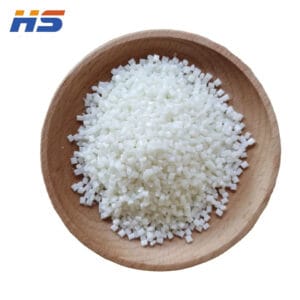
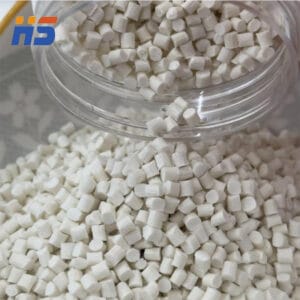
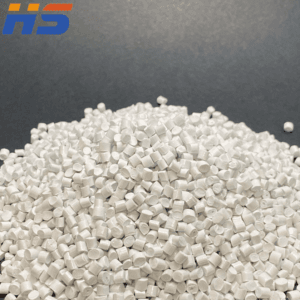
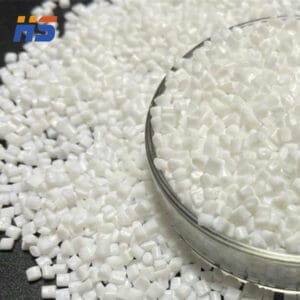
PVC-Kunststoffgranulat ist ein Material, das aus PVC-Harz besteht, Weichmacher, Mineralien und benötigte Zusatzstoffe, die beim Mischprozess von Compoundiermaschinen entstehen. PVC-Granulat verfügt über ein breites Eigenschaftsspektrum und wird in Form von Weich- und Hartgranulat hergestellt.
Weich-PVC-Kunststoffgranulat:
Der Härtebereich weicher Granulate liegt üblicherweise zwischen 40 Und 100 (Shore A). Um die Härte zu reduzieren, Bei der Herstellung von Weich-PVC-Granulat werden bestimmte Mengen einiger Arten von Weichmachern verwendet.
Ein Zweig der Weich-PVC-Granulate sind TPE-Granulate, die mit einer Substanz namens NBR kombiniert werden, um die Elastizität des Granulats zu erhöhen. Weich-PVC-Granulat wird häufig in der Draht- und Kabelindustrie eingesetzt, Automobile, Injektion, Schuhe, Türen und Fenster, usw.
Hart-PVC-Kunststoffgranulat (UPVC):
Aufgrund der geringen Verwendung von Weichmachern in dieser Art von Granulat, Man nennt sie Hart-PVC- oder UPVC-Granulat. Der Härtebereich von UPVC-Granulat liegt zwischen 40 Und 90 (Shore D). Dieses Granulat wird üblicherweise zur Herstellung von Rohrverbindungsstücken verwendet, Tür- und Fensterprofile, Kanäle, Fensterläden, usw.
PlasticKar Company, Einsatz ausgestatteter und modernster Maschinen, produziert und bietet wie folgt eine Vielzahl von Weich- und Hart-PVC-Compounds für verschiedene Anwendungen in den unterschiedlichsten Branchen an:
- Draht, Kabel und Elektrik Branchen
- BBauindustrie
- Schuhindustrie
- Schlauchindustrie
- Andere Granulat
-
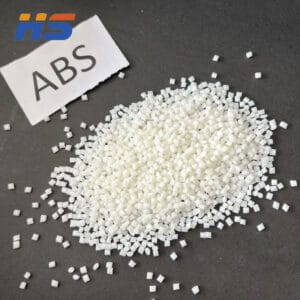
Unser Recyclingprozess für ABS-Kunststoff
- Zur Einleitung und Gewinnung des recycelten ABS-Kunststoffs, Wir beginnen damit, Tonnen von ABS-Kunststoff zu sammeln. Die Verwertung erfolgt bei Großpellets in einem Rutsch, um die kommerziellen und ökologischen Kosten zu senken.
- Der erste Schritt besteht darin, alle möglichen Verunreinigungen aus dem ABS-Kunststoffmaterial zu entfernen, die zur Materialkategorie Nicht-ABS-Kunststoff gehören. Es besteht die Notwendigkeit, den gesamten Abfall vom ABS-Kunststoff zu sammeln, um ihn weiterzuverarbeiten.
- Das verarbeitete Material lagern wir in Gestellen oder Kisten, wo wir die Speditionspartner einsetzen. Die gesamte Recyclinganlage erfolgt mit dem ABS-Kunststoffmaterial.
- Jedes recycelte ABS-Pellet sollte zur Umwelt passen. daher, um der Anforderung gerecht zu werden, Wir bevorzugen die Qualitätsprüfung und prüfen diese genau. Es hilft uns, die Umweltberichterstattung auszugleichen und aufrechtzuerhalten.
- Als letzter Schritt zur Gewinnung des ABS-Recycling-Pellets, Das gesamte Material durchläuft den Granulator. Es hilft uns, mehrere Pellets aus ABS-Kunststoff herzustellen.
Eigenschaften von ABS-Kunststoff bei uns erhältlich
Sie können sich auf uns verlassen, da wir das beste ABS-Kunststoffmaterial liefern, vertieft in mehrere Eigenschaften:
- Die typische Zusammensetzung von recyceltem ABS-Kunststoff umfasst: 50 Prozent Styrol und die restliche Hälfte besteht aus Butadien und Acrylnitril.
- Um härteren ABS-Kunststoff zu erhalten, der Anteil an Butadienkautschuk sollte erhöht werden.
- Durch den Einsatz von Styrol erhält der ABS-Kunststoff eine glänzendere und undurchlässigere Oberfläche.
- ABS-Kunststoff verfügt über eine hohe Schlagfestigkeit und seine Widerstandsfähigkeit beruht auf der darin enthaltenen Butadien-Einbindung.
- Der recycelte ABS-Kunststoff besteht aus leicht löslichen Ketonen, Ester, und Ethylendichlorid.
Um mehr über recyceltes ABS-Kunststoffmaterial zu erfahren oder unsere Dienste in Anspruch zu nehmen, Nehmen Sie gerne Kontakt zu uns auf. Unser recycelbares Material trägt dazu bei, eine grünere Umwelt um Sie herum zu erhalten.
-
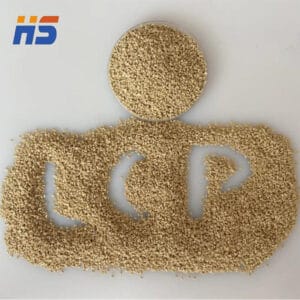
LCP-Material oder LCP-Kunststoff, oder Flüssigkristallpolymer-Kunststoff, Ist eine Art Thermoplast, der für seine außergewöhnlichen Eigenschaften bekannt ist, insbesondere seine hohe Wärmeformbeständigkeit, Stärke, und chemische Beständigkeit. Es handelt sich um ein einzigartiges Material, das sowohl im geschmolzenen als auch im festen Zustand eine hochgeordnete Struktur aufweist, was zu seinen wünschenswerten Eigenschaften führt.
Haupteigenschaften von LCP-Kunststoff:
Hohe Wärmeformbeständigkeitstemperatur:
LCPs können hohen Temperaturen ohne nennenswerte Verformung standhalten, Dadurch eignen sie sich für Anwendungen, die Hitzebeständigkeit erfordern. Außergewöhnliche Stärke:
Sie behalten auch bei erhöhten Temperaturen eine hohe Festigkeit, und einige LCPs weisen sogar eine erhöhte Festigkeit auf, wenn das Material dünner wird. Chemische Beständigkeit:
LCPs sind äußerst beständig gegen eine Vielzahl von Chemikalien, einschließlich Säuren und Lösungsmittel. Flammhemmung:
Viele LCPs sind von Natur aus flammhemmend, Das bedeutet, dass sie sich nicht so leicht entzünden oder verbrennen. Dimensionsstabilität:
LCPs weisen eine gute Dimensionsstabilität auf, Das heißt, sie behalten ihre Form und Größe auch unter Belastung oder Temperaturschwankungen. Gute dielektrische Eigenschaften:
Sie haben eine ausgezeichnete Durchschlagsfestigkeit und einen geringen dielektrischen Verlust, Dadurch sind sie für elektrische und elektronische Anwendungen geeignet.
-
-
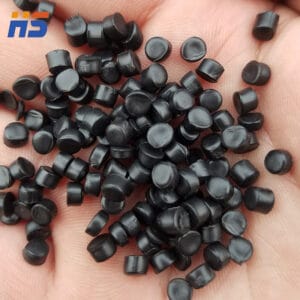
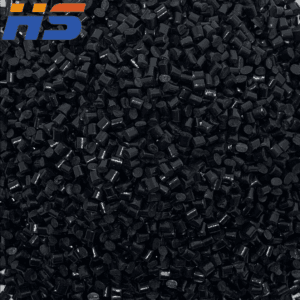
Die Serie „Wiederaufbereitetes schwarzes ABS-Granulat“ ist aufgrund mehrerer wichtiger Eigenschaften und Vorteile eine wünschenswerte Alternative für Hersteller von recycelten ABS-Produkten. Zu den bedeutenden Punkten gehören:
Recycelter Inhalt
Wiederaufbereitetes schwarzes ABS-Granulat ist weithin dafür bekannt, dass es einen erheblichen Anteil an recyceltem Material enthält. Hersteller tragen dazu bei, eine nachhaltigere Zukunft durch den Einsatz dieser Granulat zu schaffen, die die Notwendigkeit von jungfräulichen Bauchmuskeln verringern und Plastikmüll von Deponien fernhalten.
Leistungseigenschaften
Die Leistungseigenschaften dieser schwarzen ABS -Kunststoff -Granulat sind hervorragend. Sie bieten Langlebigkeit und Widerstandsfähigkeit gegenüber mechanischer Stress aufgrund ihrer bemerkenswerten Schlagkraft.
Außerdem, Wiederaufbereitetes schwarzes ABS-Granulat weist eine starke Hitzebeständigkeit auf, Dies qualifiziert sie für die Verwendung in Situationen, in denen häufig Temperaturänderungen auftreten. Verarbeitung und Formteile können aufgrund des Schmelzflussindex von ABS Granulat 6900 effektiver erfolgen (MFI).
Anwendungen
Anwendungen für ABS -Granulat 6900 kann in vielen verschiedenen Branchen gefunden werden. Sie sind besonders gut für Teile geeignet, die in Automobilen verwendet werden, Wie als Dashboards und Innenelemente, wo sowohl Kraft als auch Schönheit entscheidend sind. Diese Granulate werden auch häufig in Elektronikgehäusen verwendet, Steif und Schutz der elektronischen Geräte strukturelle Starrheit und Schutz geben.
Außerdem, nicht strukturelle Baumaterialien, Gerätegehäuse, und Verbrauchergegenstände wie Sportgeräte und Elektronikgehäuse können alle von der Verwendung von ABS -Granulat profitieren 6900.
Kosteneffizienz
Der erschwingliche Preis dieser ABS schwarzen Plastikkörnchen im Vergleich zu jungfräulichen Abs ist einer der Hauptvorteile. Macher können diese recycelten ABS -Granulat verwenden, um die Kosten zu senken, ohne zu verletzen, wie gut ihre Produkte funktionieren.
-
PVC-Granulat ist ein Material, das aus PVC-Harz besteht, Weichmacher, Mineralien und benötigte Zusatzstoffe, die beim Mischprozess von Compoundiermaschinen entstehen. PVC-Granulat verfügt über ein breites Eigenschaftsspektrum und wird in Form von Weich- und Hartgranulat hergestellt.
Weich-PVC-Kunststoffgranulat:
Der Härtebereich weicher Granulate liegt üblicherweise zwischen 40 Und 100 (Shore A). Um die Härte zu reduzieren, Bei der Herstellung von Weich-PVC-Granulat werden bestimmte Mengen einiger Arten von Weichmachern verwendet.
Ein Zweig der Weich-PVC-Granulate sind TPE-Granulate, die mit einer Substanz namens NBR kombiniert werden, um die Elastizität des Granulats zu erhöhen. Weich-PVC-Granulat wird häufig in der Draht- und Kabelindustrie eingesetzt, Automobile, Injektion, Schuhe, Türen und Fenster, usw.
Hart-PVC-Kunststoffgranulat (UPVC):
Aufgrund der geringen Verwendung von Weichmachern in dieser Art von Granulat, Man nennt sie Hart-PVC- oder UPVC-Granulat. Der Härtebereich von UPVC-Granulat liegt zwischen 40 Und 90 (Shore D). Dieses Granulat wird üblicherweise zur Herstellung von Rohrverbindungsstücken verwendet, Tür- und Fensterprofile, Kanäle, Fensterläden, usw.
PlasticKar Company, Einsatz ausgestatteter und modernster Maschinen, produziert und bietet wie folgt eine Vielzahl von Weich- und Hart-PVC-Compounds für verschiedene Anwendungen in den unterschiedlichsten Branchen an:
- Draht, Kabel und Elektrik Branchen
- BBauindustrie
- Schuhindustrie
- Schlauchindustrie
- Andere Granulat
-
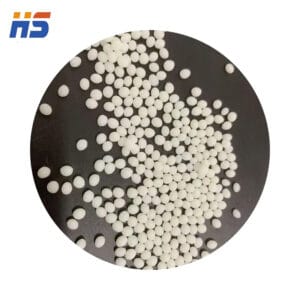
Die Eigenschaften von S-198AL-Pellets (Thermoplastisches Polyurethan) S-198AL :
- Seine hervorragende Abriebfestigkeit, Flexibilität, und Haltbarkeit machen es für Schuhsohlen geeignet
- Seine Fähigkeit, Schlagfestigkeit und Flexibilität zu bieten, während ein weiches und gummiartiges Gefühl erhalten bleibt, machen es zu einer beliebten Wahl für Konsumgüter
- Seine Beständigkeit gegenüber Chemikalien, Öle, und Abrieb machen es ideal für die Herstellung langlebiger und zuverlässiger Industriekomponenten.
- Aufgrund seiner Flexibilität und Beständigkeit gegenüber Umwelteinflüssen eignet es sich für elektronische Komponenten
| Physikalische Eigenschaften | Teststandard | Einheit | Typischer Wert* |
| Dichte | ASTM D792 | g/cm3 | 1.23±0,02 |
| Shore-Härte | ASTM D2240 | Shore A Shore D | 98±2 A |
| Zugfestigkeit | ASTM D412 | Kgf/cm2 | 350 |
| Bruchdehnung | ASTM D412 | % | 400 |
| 100% Zugfestigkeit | ASTM D412 | Kgf/cm2 | 120 |
| 300% Zugfestigkeit | ASTM D412 | Kgf/cm2 | 150 |
| Reißfestigkeit | ASTM D624 | Kgf/cm | 130 |
| Formbedingungen |
| Trocknen | Trocknungstemperatur | 100°C |
| Trocknungszeit | 2-4Std |
| Verarbeitung | Verarbeitungstemperatur | 190-215°C |
| Verarbeitung von Schimmel | Spritzguss |
-
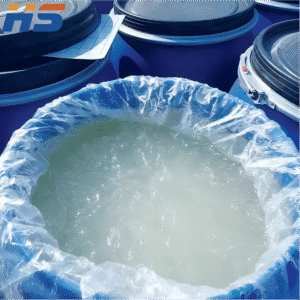
Natriumlaurylethersulfat 70% (SLES 70%) ist eine Art anionisches Tensid mit hervorragender Leistung. Chemische Rohstoffe, Wird häufig in der industriellen Waschmittel- und Textilindustrie verwendet. Gute Schaumeigenschaften, Reinigungsprofile, biologisch abbaubare Tenside. Und wirksame Beständigkeit gegen hartes Wasser, verletzt die Haut nicht. Natriumdodecylethersulfat wird üblicherweise in der verwendet…
-
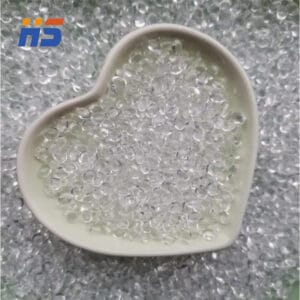
POE-Elastomer, abgeleitet von Polyolefin-Elastomer, sind vielseitige Kunststoffgranulate, die aufgrund ihrer Flexibilität in verschiedenen Branchen eingesetzt werden, Witterungsbeständigkeit, und Schlagfestigkeit. Sie werden hauptsächlich verwendet für härtendes PP, Pe, und PA in der Automobilindustrie, zur Isolierung und Ummantelung von Drähten und Kabeln, und auch für Industrieprodukte wie Schläuche und Förderbänder. Außerdem, Sie finden Anwendung in medizinischen Geräten, Haushaltsgeräte, Sportartikel, und Verpackungsfolien.