Zeigt 127–135 von 182 Ergebnisse
-

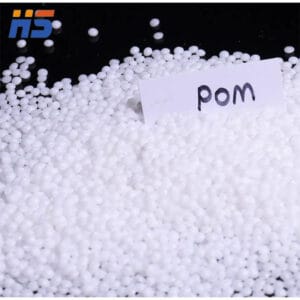
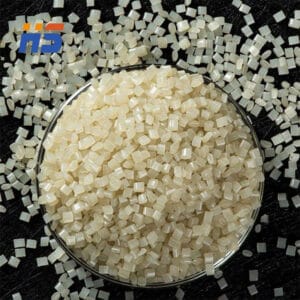
POM-Harz, auch Acetyl- oder Acetylharz genannt, ist sehr schwer selbstschmierender Kunststoff und weiß, obwohl es normalerweise in den unterschiedlichsten Farbtönen gefärbt ist.
Es ist ein teilkristallines Polymer mit einem niedrigen Reibungskoeffizienten, beständig gegen Hitze und Abrieb, mit geringer Wasseraufnahme und optimalen elektrischen Eigenschaften
-
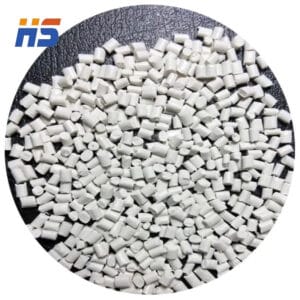
POM-Kunststoffpellets, auch Acetyl oder Acetylharz genannt, ist sehr schwer selbstschmierender Kunststoff und weiß, obwohl es normalerweise in den unterschiedlichsten Farbtönen gefärbt ist.
Es ist ein teilkristallines Polymer mit einem niedrigen Reibungskoeffizienten, beständig gegen Hitze und Abrieb, mit geringer Wasseraufnahme und optimalen elektrischen Eigenschaften
-
POM-Harz, auch Acetyl- oder Acetylharz genannt, ist sehr schwer selbstschmierender Kunststoff und weiß, obwohl es normalerweise in den unterschiedlichsten Farbtönen gefärbt ist.
Es ist ein teilkristallines Polymer mit einem niedrigen Reibungskoeffizienten, beständig gegen Hitze und Abrieb, mit geringer Wasseraufnahme und optimalen elektrischen Eigenschaften
-
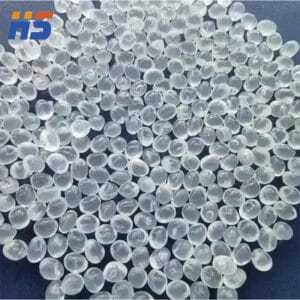
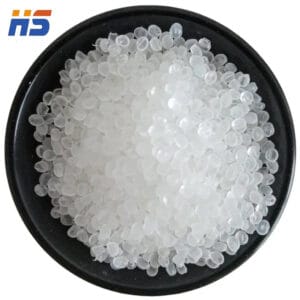
PP -Homopolymergranulate bestehen aus winzig, Feste Partikel, die aus Polypropylen stammen. PP Granulat ist ein vielseitiges thermoplastisches Polymer. Sie sind bekannt für ihre herausragenden physikalischen und chemischen Eigenschaften. Ihre Attribute umfassen einen hohen chemischen Widerstand, Haltbarkeit, und niedriger Schmelzpunkt. Zusätzlich, Diese Granulate haben umfangreiche Anwendungen in verschiedenen Branchen. Sie dienen als wesentliche Rohstoffe für die Herstellung von Kunststoffartikeln. Sie werden in Prozessen wie Injektionsform ausgiebig eingesetzt, Extrusion, und Blasenformung.
-
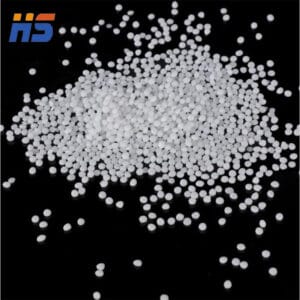
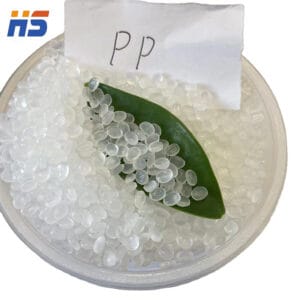
PP-Pellets bestehen aus winzigen, Feste Partikel, die aus Polypropylen stammen. PP Granulat ist ein vielseitiges thermoplastisches Polymer. Sie sind bekannt für ihre herausragenden physikalischen und chemischen Eigenschaften. Ihre Attribute umfassen einen hohen chemischen Widerstand, Haltbarkeit, und niedriger Schmelzpunkt. Zusätzlich, Diese Granulate haben umfangreiche Anwendungen in verschiedenen Branchen. Sie dienen als wesentliche Rohstoffe für die Herstellung von Kunststoffartikeln. Sie werden in Prozessen wie Injektionsform ausgiebig eingesetzt, Extrusion, und Blasenformung.
-
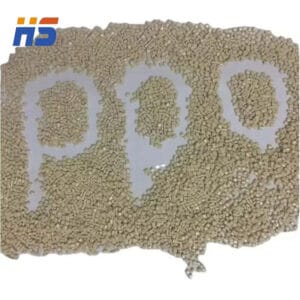
PPO Kunststoff PPO-Harz Polyphenylenoxid (PPO) Ist ein leichtes Harz, das häufig verwendet und mit anderen Harzen gemischt wird, um Herstellungsprozesse zu erleichtern. Es widersteht Hitze sehr gut, und als Ergebnis, kann nicht einfach eingeschmolzen und in verschiedenen Spritzgussformen verwendet oder für andere Zwecke recycelt werden.
-
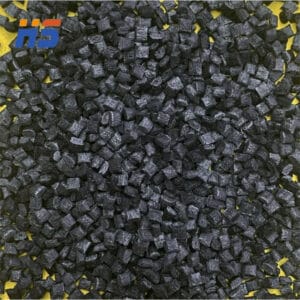
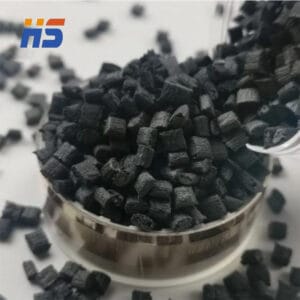
Hochtemperatur-PPO-Mischungen für Auto-Armaturenbretter, Pumpengehäuse, und Elektrogehäuse. Anwendungen: Batteriegehäuse für Elektrofahrzeuge, Spülmaschinenkomponenten, und HVAC-Systeme. Hauptmerkmale: HDT 170-190°C, EMI-Abschirmungsfähigkeit. Zertifizierungen: EMV-Konformität im Automobilbereich, UL 94 V0.
-
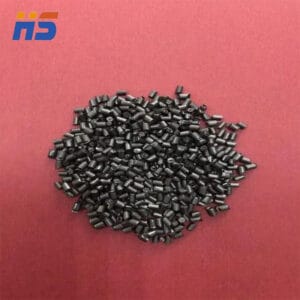
PPS-Kunststoffpellets
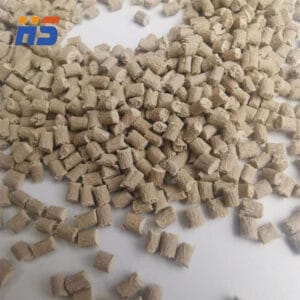
Polyphenylensulfid, allgemein als PPS bezeichnet, ist ein teilkristalliner Thermoplast mit einer Polymerstruktur, die ihm eine bemerkenswerte chemische Beständigkeit verleiht. Tatsächlich, Unter 392 °F sind für diesen Hochleistungsthermoplast keine Lösungsmittel bekannt (200°C). Seine weiteren bemerkenswerten Eigenschaften sind seine inhärente Flammwidrigkeit, elektrische Eigenschaften und seine hohe mechanische Festigkeit. Die meisten kommerziellen PPS-Typen erreichen einen UL 94 V-0 Brennbarkeitsklasse ohne flammhemmende Zusätze.
Während das unmodifizierte PPS-Polymer eine gute Gesamtleistung aufweist, Durch den Zusatz von Faserverstärkungen wird die Zähigkeit deutlich erhöht, strukturelle und thermische Eigenschaften. Eine Verdoppelung der Wärmeformbeständigkeit und mehr als das Dreifache des Biegemoduls sind die Hauptgründe für den weitaus höheren Einsatz von 40% glasfaserverstärktes PPS gegenüber ungefüllten Typen für tragende Form- und Bearbeitungsteile, die höheren thermischen Bedingungen ausgesetzt sind.
-
PPS -Harz -Granulat
Polyphenylensulfid, allgemein als PPS bezeichnet, ist ein teilkristalliner Thermoplast mit einer Polymerstruktur, die ihm eine bemerkenswerte chemische Beständigkeit verleiht. Tatsächlich, Unter 392 °F sind für diesen Hochleistungsthermoplast keine Lösungsmittel bekannt (200°C). Seine weiteren bemerkenswerten Eigenschaften sind seine inhärente Flammwidrigkeit, elektrische Eigenschaften und seine hohe mechanische Festigkeit. Die meisten kommerziellen PPS-Typen erreichen einen UL 94 V-0 Brennbarkeitsklasse ohne flammhemmende Zusätze.
Während das unmodifizierte PPS-Polymer eine gute Gesamtleistung aufweist, Durch den Zusatz von Faserverstärkungen wird die Zähigkeit deutlich erhöht, strukturelle und thermische Eigenschaften. Eine Verdoppelung der Wärmeformbeständigkeit und mehr als das Dreifache des Biegemoduls sind die Hauptgründe für den weitaus höheren Einsatz von 40% glasfaserverstärktes PPS gegenüber ungefüllten Typen für tragende Form- und Bearbeitungsteile, die höheren thermischen Bedingungen ausgesetzt sind.