136 angezeigt–144 von 174 Ergebnisse
-

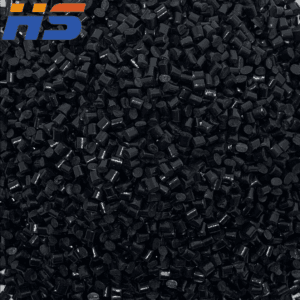
Die Serie „Wiederaufbereitetes schwarzes ABS-Granulat“ ist aufgrund mehrerer wichtiger Eigenschaften und Vorteile eine wünschenswerte Alternative für Hersteller von recycelten ABS-Produkten. Zu den bedeutenden Punkten gehören:
Recycelter Inhalt
Wiederaufbereitetes schwarzes ABS-Granulat ist weithin dafür bekannt, dass es einen erheblichen Anteil an recyceltem Material enthält. Hersteller tragen dazu bei, eine nachhaltigere Zukunft durch den Einsatz dieser Granulat zu schaffen, die die Notwendigkeit von jungfräulichen Bauchmuskeln verringern und Plastikmüll von Deponien fernhalten.
Leistungseigenschaften
Die Leistungseigenschaften dieser schwarzen ABS -Kunststoff -Granulat sind hervorragend. Sie bieten Langlebigkeit und Widerstandsfähigkeit gegenüber mechanischer Stress aufgrund ihrer bemerkenswerten Schlagkraft.
Außerdem, Wiederaufbereitetes schwarzes ABS-Granulat weist eine starke Hitzebeständigkeit auf, Dies qualifiziert sie für die Verwendung in Situationen, in denen häufig Temperaturänderungen auftreten. Verarbeitung und Formteile können aufgrund des Schmelzflussindex von ABS Granulat 6900 effektiver erfolgen (MFI).
Anwendungen
Anwendungen für ABS -Granulat 6900 kann in vielen verschiedenen Branchen gefunden werden. Sie sind besonders gut für Teile geeignet, die in Automobilen verwendet werden, Wie als Dashboards und Innenelemente, wo sowohl Kraft als auch Schönheit entscheidend sind. Diese Granulate werden auch häufig in Elektronikgehäusen verwendet, Steif und Schutz der elektronischen Geräte strukturelle Starrheit und Schutz geben.
Außerdem, nicht strukturelle Baumaterialien, Gerätegehäuse, und Verbrauchergegenstände wie Sportgeräte und Elektronikgehäuse können alle von der Verwendung von ABS -Granulat profitieren 6900.
Kosteneffizienz
Der erschwingliche Preis dieser ABS schwarzen Plastikkörnchen im Vergleich zu jungfräulichen Abs ist einer der Hauptvorteile. Macher können diese recycelten ABS -Granulat verwenden, um die Kosten zu senken, ohne zu verletzen, wie gut ihre Produkte funktionieren.
-
PVC-Granulat ist ein Material, das aus PVC-Harz besteht, Weichmacher, Mineralien und benötigte Zusatzstoffe, die beim Mischprozess von Compoundiermaschinen entstehen. PVC-Granulat verfügt über ein breites Eigenschaftsspektrum und wird in Form von Weich- und Hartgranulat hergestellt.
Weich-PVC-Kunststoffgranulat:
Der Härtebereich weicher Granulate liegt üblicherweise zwischen 40 Und 100 (Shore A). Um die Härte zu reduzieren, Bei der Herstellung von Weich-PVC-Granulat werden bestimmte Mengen einiger Arten von Weichmachern verwendet.
Ein Zweig der Weich-PVC-Granulate sind TPE-Granulate, die mit einer Substanz namens NBR kombiniert werden, um die Elastizität des Granulats zu erhöhen. Weich-PVC-Granulat wird häufig in der Draht- und Kabelindustrie eingesetzt, Automobile, Injektion, Schuhe, Türen und Fenster, usw.
Hart-PVC-Kunststoffgranulat (UPVC):
Aufgrund der geringen Verwendung von Weichmachern in dieser Art von Granulat, Man nennt sie Hart-PVC- oder UPVC-Granulat. Der Härtebereich von UPVC-Granulat liegt zwischen 40 Und 90 (Shore D). Dieses Granulat wird üblicherweise zur Herstellung von Rohrverbindungsstücken verwendet, Tür- und Fensterprofile, Kanäle, Fensterläden, usw.
PlasticKar Company, Einsatz ausgestatteter und modernster Maschinen, produziert und bietet wie folgt eine Vielzahl von Weich- und Hart-PVC-Compounds für verschiedene Anwendungen in den unterschiedlichsten Branchen an:
- Draht, Kabel und Elektrik Branchen
- BBauindustrie
- Schuhindustrie
- Schlauchindustrie
- Andere Granulat
-
Die Eigenschaften von S-198AL-Pellets (Thermoplastisches Polyurethan) S-198AL :
- Seine hervorragende Abriebfestigkeit, Flexibilität, und Haltbarkeit machen es für Schuhsohlen geeignet
- Seine Fähigkeit, Schlagfestigkeit und Flexibilität zu bieten, während ein weiches und gummiartiges Gefühl erhalten bleibt, machen es zu einer beliebten Wahl für Konsumgüter
- Seine Beständigkeit gegenüber Chemikalien, Öle, und Abrieb machen es ideal für die Herstellung langlebiger und zuverlässiger Industriekomponenten.
- Aufgrund seiner Flexibilität und Beständigkeit gegenüber Umwelteinflüssen eignet es sich für elektronische Komponenten
| Physikalische Eigenschaften | Teststandard | Einheit | Typischer Wert* |
| Dichte | ASTM D792 | g/cm3 | 1.23±0,02 |
| Shore-Härte | ASTM D2240 | Shore A Shore D | 98±2 A |
| Zugfestigkeit | ASTM D412 | Kgf/cm2 | 350 |
| Bruchdehnung | ASTM D412 | % | 400 |
| 100% Zugfestigkeit | ASTM D412 | Kgf/cm2 | 120 |
| 300% Zugfestigkeit | ASTM D412 | Kgf/cm2 | 150 |
| Reißfestigkeit | ASTM D624 | Kgf/cm | 130 |
| Formbedingungen |
| Trocknen | Trocknungstemperatur | 100°C |
| Trocknungszeit | 2-4Std |
| Verarbeitung | Verarbeitungstemperatur | 190-215°C |
| Verarbeitung von Schimmel | Spritzguss |
-
POE-Elastomer, abgeleitet von Polyolefin-Elastomer, sind vielseitige Kunststoffgranulate, die aufgrund ihrer Flexibilität in verschiedenen Branchen eingesetzt werden, Witterungsbeständigkeit, und Schlagfestigkeit. Sie werden hauptsächlich verwendet für härtendes PP, Pe, und PA in der Automobilindustrie, zur Isolierung und Ummantelung von Drähten und Kabeln, und auch für Industrieprodukte wie Schläuche und Förderbänder. Außerdem, Sie finden Anwendung in medizinischen Geräten, Haushaltsgeräte, Sportartikel, und Verpackungsfolien.
-
LDPE-Granulat
Pellets aus Polyethylen niedriger Dichte
Anwendung: Blasfolie
Schmelzflussindex: 1-2
Herkunft: Postindustrielles Material,
Verpackung: Big-Bags.
Recyceltes LDPE (rLDPE) Pellets werden aus Post-Consumer-Polyethylenabfällen niedriger Dichte hergestellt, wie zum Beispiel Plastiktüten, wickelt, und Verpackung. Diese umweltfreundlichen Pellets bieten eine nachhaltige Alternative zu reinem LDPE, bietet hervorragende Flexibilität, Stärke, und Leistung für eine Vielzahl von Anwendungen.
Ideal für den Einsatz in Verpackungen, Filmproduktion, und Konsumgüter, Unsere rLDPE-Pellets helfen Unternehmen, ihre Umweltbelastung zu reduzieren und gleichzeitig die Produktqualität aufrechtzuerhalten. Durch die Wahl von recyceltem LDPE, Sie tragen zu einer Kreislaufwirtschaft bei und fördern verantwortungsvolle Herstellungspraktiken.
Hauptmerkmale:
- Hergestellt aus 100% recyceltes LDPE
- Flexibel, dauerhaft, und vielseitig für verschiedene Anwendungen
- Umweltfreundliche und kostengünstige Alternative zu reinem LDPE
- Unterstützt Abfallreduzierung und nachhaltige Produktion
Wählen Sie unser Recycelte LDPE-Pellets für eine grünere, für eine nachhaltigere Zukunft bei gleichzeitiger Wahrung der Qualität und Leistung Ihrer Produkte.
-
TPR-Pellets oder Thermoplastischer Gummi, ist ein Material, das die Eigenschaften von Gummi und Kunststoff vereint. Es ist ein vielseitiges Material, das mit Techniken wie z. B. leicht verarbeitet werden kann Spritzguss. TPR ist für seine Flexibilität bekannt, Haltbarkeit, und Beständigkeit gegen Chemikalien und Witterungseinflüsse
Flexibilität und Elastizität:
TPR weist eine gummiartige Flexibilität und Elastizität auf, Dadurch eignet es sich für Anwendungen, die ein Material erfordern, das sich biegen und verformen lässt, ohne zu brechen.
Haltbarkeit und Stärke:
Es bietet eine gute Zugfestigkeit, Reißfestigkeit, und Widerstandsfähigkeit gegen Ermüdung, so dass es mechanischer Beanspruchung und langfristiger Nutzung standhält.
Chemikalien- und Wetterbeständigkeit:
TPR ist beständig gegen viele Chemikalien und Witterungseinflüsse, Dadurch eignet es sich für Außen- und Industrieanwendungen.
Verarbeitbarkeit:
Ein Thermoplast sein, TPR kann mehrfach geschmolzen und umgeformt werden, Dies ermöglicht effiziente Herstellungsprozesse wie Spritzguss und Extrusion.
Recyclingfähigkeit:
TPR kann recycelt werden, Dies macht es im Vergleich zu einigen anderen Materialien zu einer umweltfreundlicheren Option.
-
Thermoplastischer Gummi, ist ein Material, das die Eigenschaften von Gummi und Kunststoff vereint. Es ist ein vielseitiges Material, das mit Techniken wie z. B. leicht verarbeitet werden kann Spritzguss. TPR ist für seine Flexibilität bekannt, Haltbarkeit, und Beständigkeit gegen Chemikalien und Witterungseinflüsse
Flexibilität und Elastizität:
TPR weist eine gummiartige Flexibilität und Elastizität auf, Dadurch eignet es sich für Anwendungen, die ein Material erfordern, das sich biegen und verformen lässt, ohne zu brechen.
Haltbarkeit und Stärke:
Es bietet eine gute Zugfestigkeit, Reißfestigkeit, und Widerstandsfähigkeit gegen Ermüdung, so dass es mechanischer Beanspruchung und langfristiger Nutzung standhält.
Chemikalien- und Wetterbeständigkeit:
TPR ist beständig gegen viele Chemikalien und Witterungseinflüsse, Dadurch eignet es sich für Außen- und Industrieanwendungen.
Verarbeitbarkeit:
Ein Thermoplast sein, TPR kann mehrfach geschmolzen und umgeformt werden, Dies ermöglicht effiziente Herstellungsprozesse wie Spritzguss und Extrusion.
Recyclingfähigkeit:
TPR kann recycelt werden, Dies macht es im Vergleich zu einigen anderen Materialien zu einer umweltfreundlicheren Option.
-
Tpee Elastomer Granulat :Thermoplastisches Polyester-Elastomer (TPE-E oder TPEE), auch bekannt als thermoplastisches Copolyester, sind eine Klasse von Multiblockcopolymeren oder eine physikalische Mischung von Polymeren (normalerweise ein Kunststoff und ein Gummi) die aus Materialien mit sowohl thermoplastischen als auch elastischen Eigenschaften bestehen.
Thermoplastische Elastomere weisen beide Vorteile auf, die für gummiartige und plastische Materialien typisch sind. Der Hauptunterschied zwischen duroplastischen Elastomeren und thermoplastischen Elastomeren besteht in der Art der Vernetzungsbindung in ihren Strukturen. Tatsächlich, Vernetzung ist ein entscheidender Strukturfaktor, der dazu beiträgt, hohe elastische Eigenschaften zu verleihen. Die Vernetzung in duroplastischen Polymeren ist eine kovalente Bindung, die während des Vulkanisationsprozesses entsteht.
Andererseits ist die Vernetzung in thermoplastischen Elastomerpolymeren eine schwächere Dipol- oder Wasserstoffbindung oder findet in einer der Phasen des Materials statt.
-
TPEE-Material :Thermoplastisches Polyester-Elastomer (TPE-E oder TPEE), auch bekannt als thermoplastisches Copolyester, sind eine Klasse von Multiblockcopolymeren oder eine physikalische Mischung von Polymeren (normalerweise ein Kunststoff und ein Gummi) die aus Materialien mit sowohl thermoplastischen als auch elastischen Eigenschaften bestehen.
Thermoplastische Elastomere weisen beide Vorteile auf, die für gummiartige und plastische Materialien typisch sind. Der Hauptunterschied zwischen duroplastischen Elastomeren und thermoplastischen Elastomeren besteht in der Art der Vernetzungsbindung in ihren Strukturen. Tatsächlich, Vernetzung ist ein entscheidender Strukturfaktor, der dazu beiträgt, hohe elastische Eigenschaften zu verleihen. Die Vernetzung in duroplastischen Polymeren ist eine kovalente Bindung, die während des Vulkanisationsprozesses entsteht.
Andererseits ist die Vernetzung in thermoplastischen Elastomerpolymeren eine schwächere Dipol- oder Wasserstoffbindung oder findet in einer der Phasen des Materials statt.